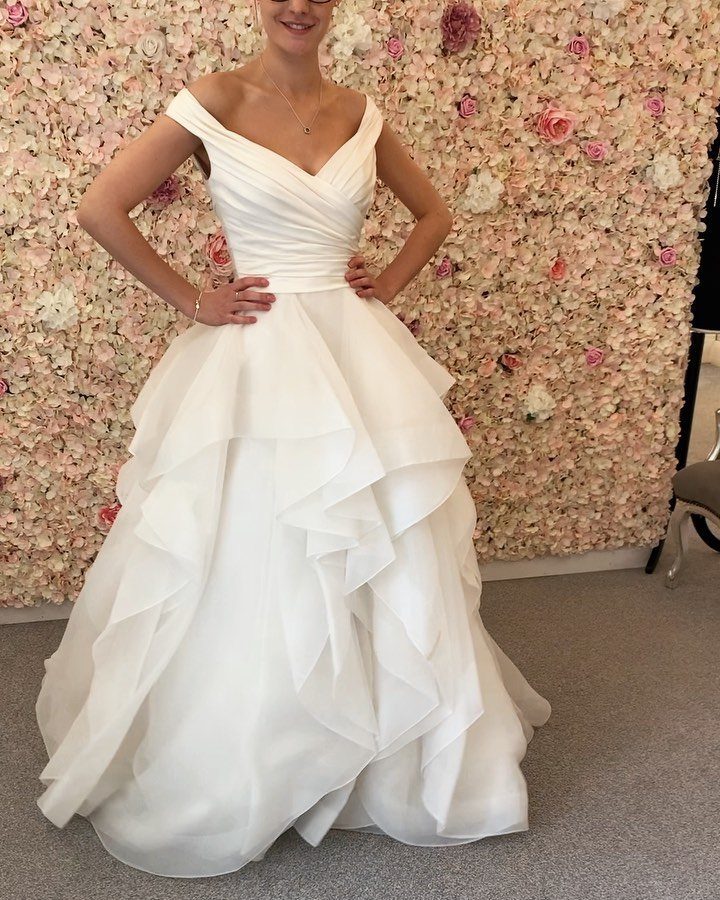
The ruffle wedding dresses below move from a simple cap-sleeve detail to full floral rosette skirts that need dry ground and good light, with most landing in the layered middle.
Your venue size and how much drama you want in motion decide which one fits: a mermaid ruffle dress demands aisle width and a head table planned around its shape, while an A-line with tiered tulle forgives more body types and tighter spaces.
Maggie Sottero’s Beckett lets the lace flow from bodice into overlapping tiers, and the construction keeps that transition from looking like 2 pieces glued together.
1. Off the Shoulder Ruffles
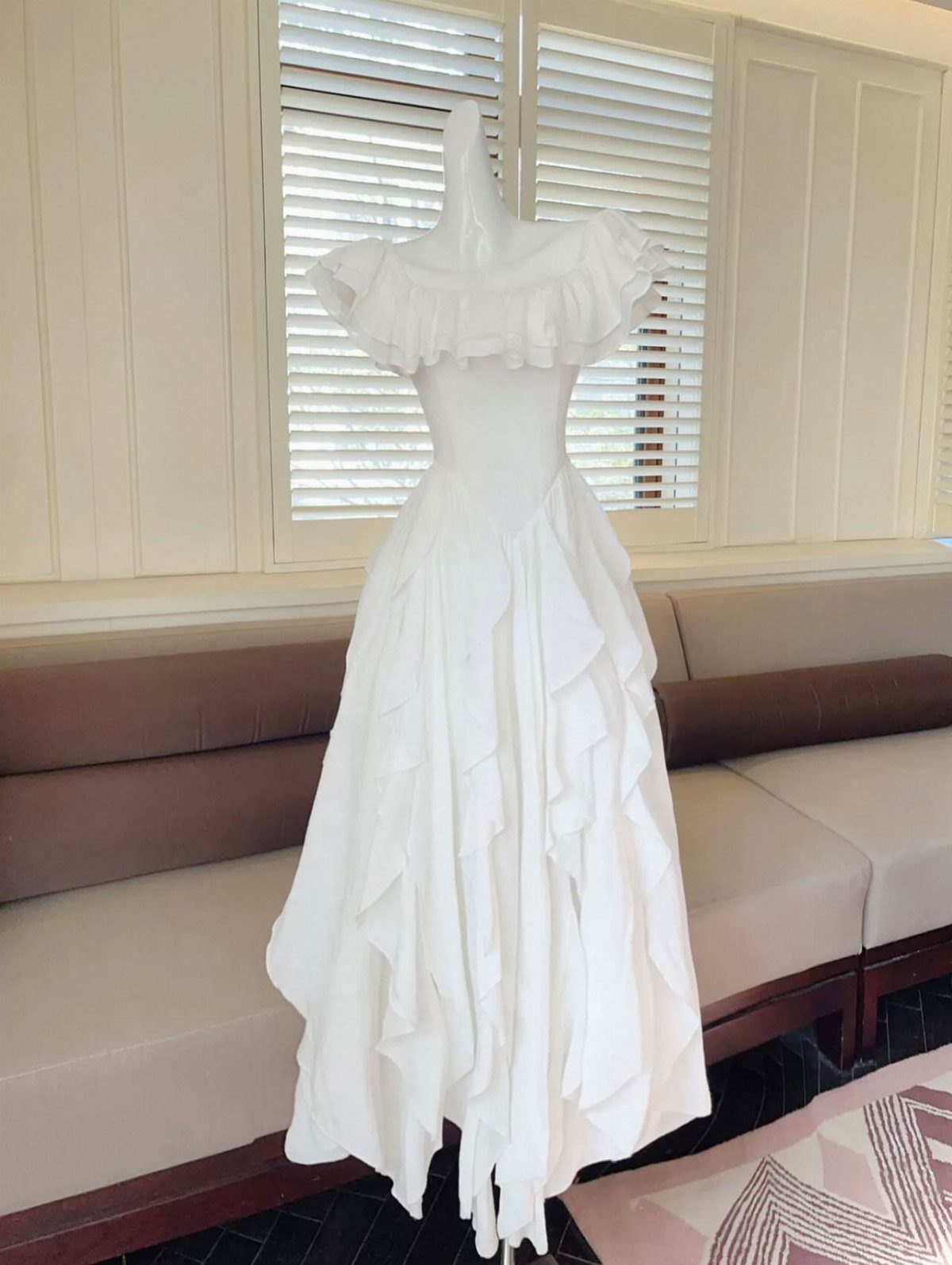
An off-the-shoulder cut with ruffles softens the neckline without adding a separate sleeve to fuss with.
The cold-shoulder effect in versions like Pierre’s Bridal Caressa, style 9518, uses detachable sleeves with floral appliqués that match the bodice, so you get two looks in one: bare shoulders for the ceremony, ruffled ones for the reception, or the reverse.
A-line shapes carry this best. The bodice stays fitted through your natural waist, then the skirt breaks into waves that hold their shape thanks to horsehair edging inside each ruffle layer.
Pearl and crystal beaded straps catch light just enough without pulling attention away from how the ruffles move.
This flatters most body types because the waist is the only tight point. Budget-conscious brides should ask whether the sleeves are included or sold separately; detachable pieces often are.
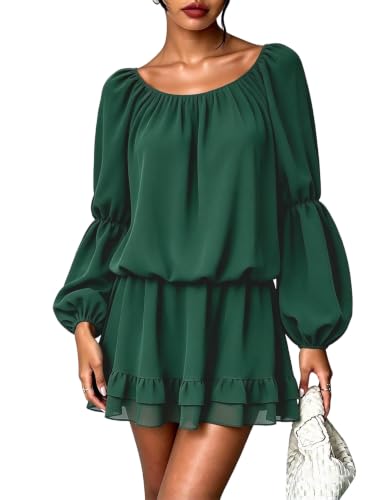
Soft Material:The chiffon material makes the off the shoulder dress, the decent thickness bring you cosy and perfect experience in various temperatures while not being seen through, ruched bust, smocked waist, shirred elastic wais, a line, lantern sleeves, slim fit,swing and elegant vintage dress

Material: This white off shoulder lace maxi dress made of 100% polyester,High-quality Non-Stretch through embroidery lace fabric.Comfortable & Breathe freely.

SEE DESCRIPTIONS TO CHOOSE SIZE: S(Bust-28.35’’, Length-50.79’’), M(Bust-29.92’’, Length-51.18’’), L(Bust-31.50’’, Length-51.57’’), XL(Bust-33.07’’, Length-51.97’’); If you would like to know more size details, please check our image of Size Chart
2. Cascading Ruffles
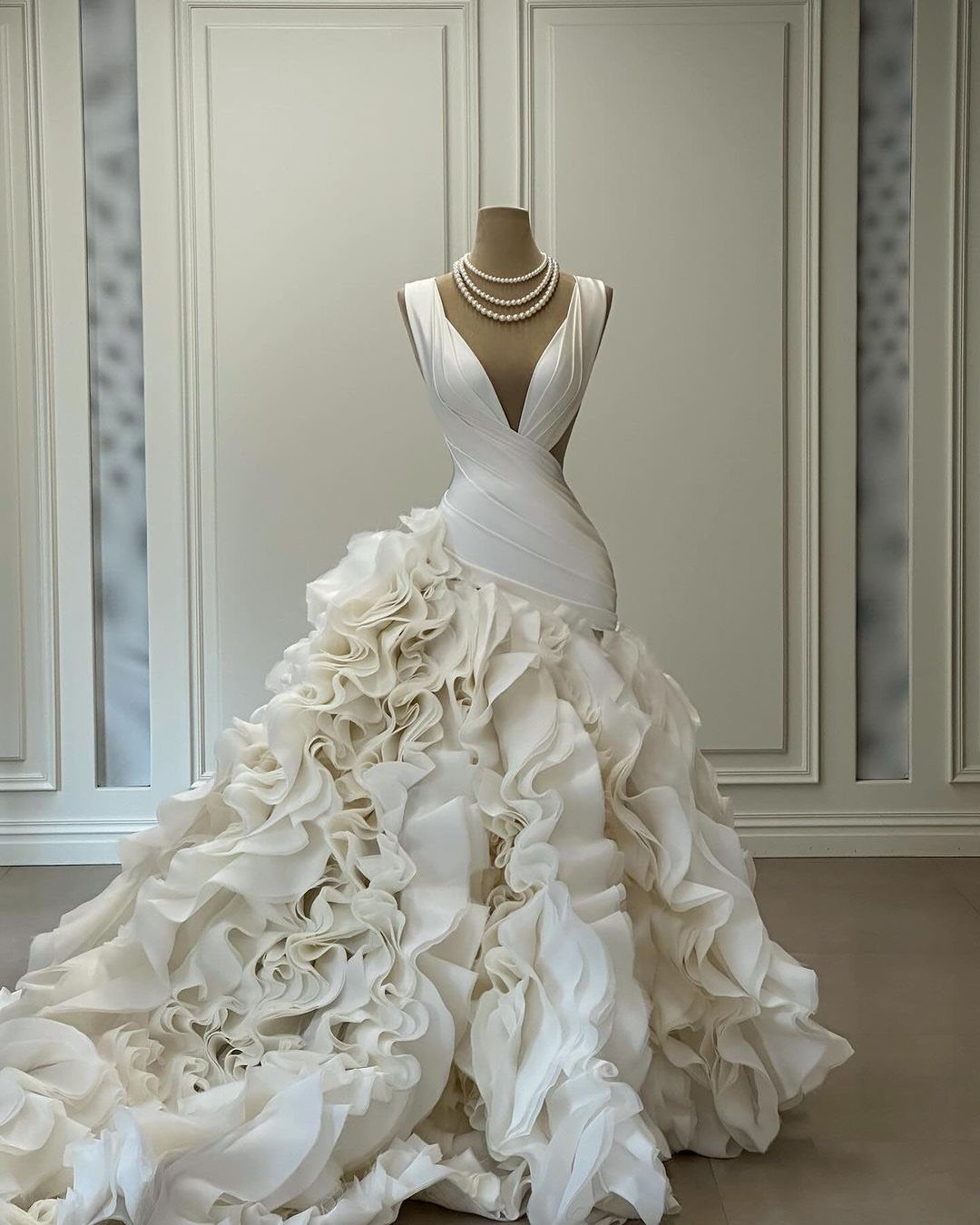
Looser ruffles that run downward like water need a sleek bodice to anchor them. The contrast is the point: fitted above, voluminous below.
A-line and ball gown silhouettes handle this best. The skirt gains texture without weight because each ruffle is cut to hang free, not stacked tight.
One satin bodice with clean seaming and a plunging V-neck drops into ruffles that keep their edge with a wide horsehair hem. Long sleeves balance the drama for brides who want coverage without looking conservative.
The movement is what you pay for.
Each step sends the ruffles swaying, which photographs well but also means the skirt takes up space at your table. Check the train length if your venue has tight aisles.

Flower Pattern: These lace fingerless sleeves are designed with flower patterned lace, looking delicate and unique, ideal for wedding or banquet dresses

1 Pair Sleeves: Package includes 1 pair/2pcs white sleeves. Each is 10cm/3.94 inch wide, 48cm/18.9 inch long, 6-12mm thick, with 6mm pearl bead, the complete pair can meet your need
3. Tulle and Organza Ruffles
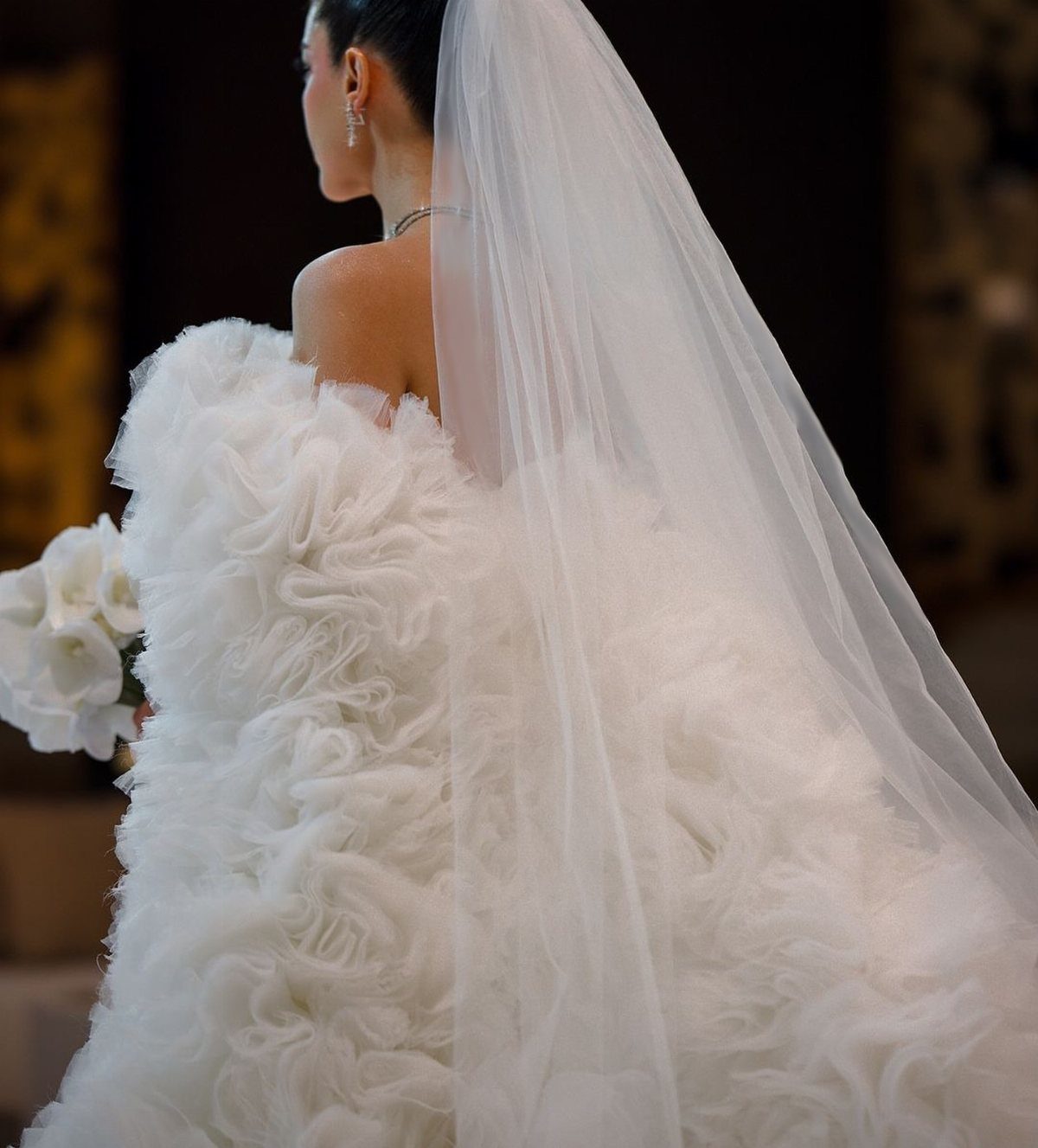
Tulle and organza give ruffles their structure without the weight of satin. You get volume that floats instead of drags, which matters when you’re wearing it from ceremony through last dance.
One style layers organza in tiers over a lace bodice with spaghetti straps. The organza holds the shape of each ruffle; the tulle underneath adds fullness without bulk.
For something outside the standard gown, Gemy Maalouf does a layered tulle ruffle cape that sits over a simpler dress, which means you remove it after the ceremony.
Tulle snags.
Check whether your venue has rough stone or wood floors, and whether the skirt’s hem is finished or raw. Raw edges look softer but fray; finished edges last.
This suits outdoor summer weddings where heavier fabric would sweat and wilt.

Design:Show off an elegant collarbone line with the off shoulder neckline, wrap-inspired bodice and cascading side ruffle. The back fold-over collar detail creates a polished finish, making this formal dress especially flattering in event photos

A Teal spaghetti‑strap mermaid evening gown with cowl sweetheart neckline, corset pleated bodice and high ruffled side slit, finished with a flowing floor‑length hem.

Satin Fabric:Crafted from premium glossy satin material, silky-soft, drapes beautifully on your body with subtle elegant sheen.
4. Tiered Ruffles
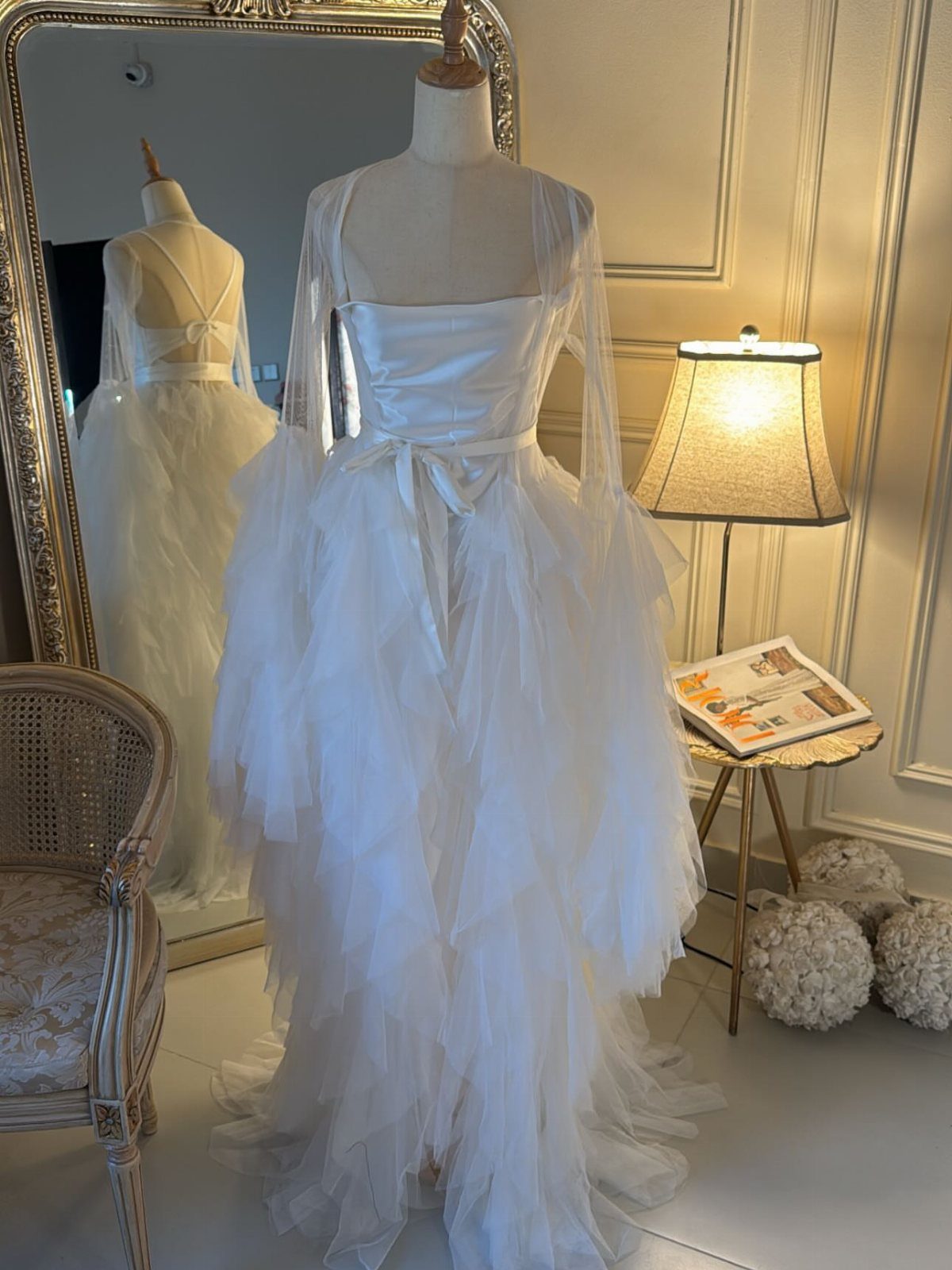
Overlapping tiers create several hemlines at once, which breaks up the silhouette more than a single cascade. The eye stops at each layer, so the skirt reads as detailed rather than merely big.
Maggie Sottero’s Beckett uses natural lace patterns that drift from the bodice into the tiered skirt, which keeps the transition from looking pasted together.
Pleated tulle tiers in a ball gown shape with a chapel train give you the full princess effect without extra structure underneath.
Tiered ruffles soften the mermaid silhouette specifically. Where a plain mermaid hugs to the knee then flares tight, tiers let the flare start earlier and billow more, which forgives more hip and thigh.
Add a veil or don’t; the tiers are already busy.
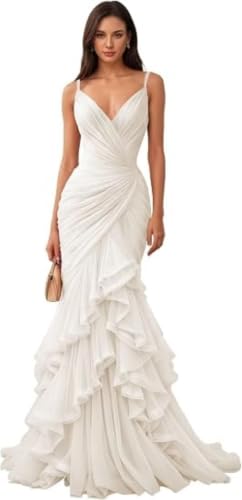
2026 Ruffles A Line Elegant Corset Wedding Guest Dress , V Neck,Drawstring Back,Built-in Bra,Puffy Tiered Tulle,Mermaid Gown,Spaghetti Strap,Long Ruffle Train

Comfortable Occasion Fit: The swing silhouette gives this flower girl dress a clear silhouette while leaving comfortable room for walking, sitting, and play. The sleeve treatment works with the simple neckline to keep the upper shape balanced, and the skirt falls naturally without looking bulky. The fit can be styled with flats, sneakers, boots, tights, or a cardigan for different plans and seasons.

2026 Ruffles A Line Elegant Corset Wedding Guest Dress , V Neck,Drawstring Back,Built-in Bra,Puffy Tiered Tulle,Mermaid Gown,Spaghetti Strap,Long Ruffle Train
5. Layered Ruffles
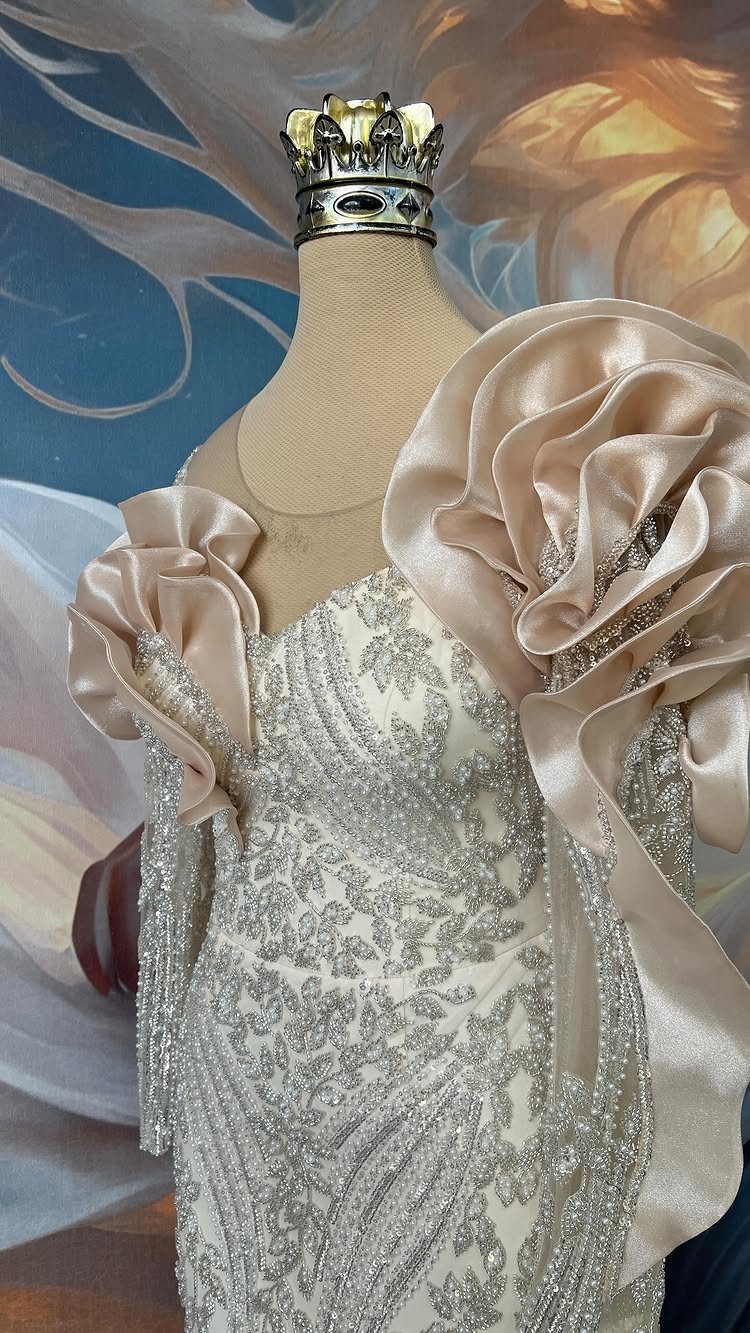
Non-linear layers, placed asymmetrically or at varying angles, read as playful rather than formal. Maggie Sottero’s Fatima drapes satin in lush, uneven folds that catch light differently from every seat in the room.
The construction is the story here. Individual cutting and placement for each layer takes more work from the seamstress, and that shows in both the price tag and the finished look.
Long fitted sleeves are an option, and a detachable beaded belt sells separately if you want to break the waistline.
DaVinci’s 50178 does a mermaid version with wavy organza layers and a beaded applique at the hip, plus a corset back that adjusts for fit changes right up to the day.
This is the choice when you want drama but not princess-ballgown drama. The asymmetry keeps it modern.

❤Dear, please choose Kumeng and KWBCM,Kumeng and KWBCM has FBA stock,very fast,100% Polyester,Main material: Spandex+Organza. Two layers and three tiered organza with plenty of gathers to hold the dress's shape,plus one Layer of lining to prevent scratching gentle sensitive skin

Features:plus size off the shoulder wedding dresses for bride;luxury crystal beaded bridal gowns;ruffle organza lace applique wedding gowns with long train;arab vintage bride dresses

Features:plus size off the shoulder wedding dresses for bride;luxury crystal beaded bridal gowns;ruffle organza lace applique wedding gowns with long train;arab vintage bride dresses
6. Mermaid Ruffle Wedding Dress
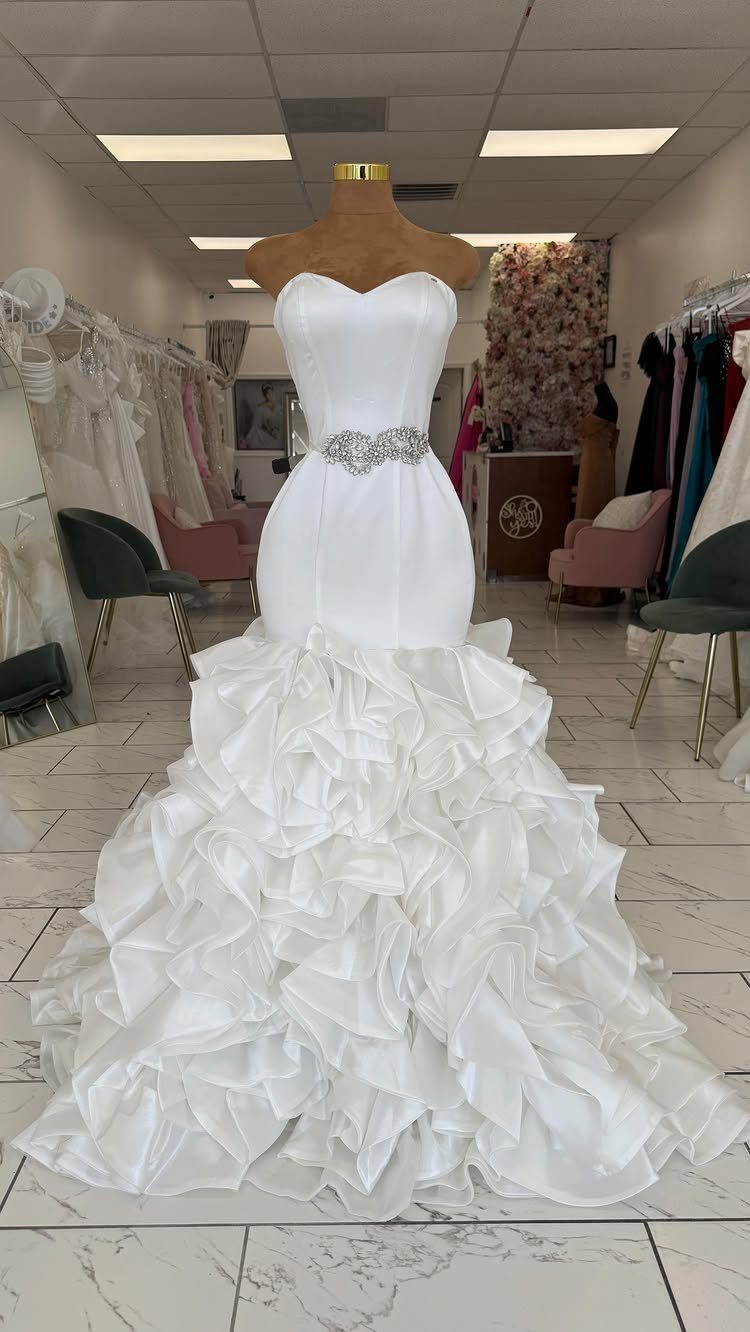
A mermaid silhouette with ruffles at the flare creates the fishtail effect everyone recognizes from red carpets. The drop waist elongates your torso; the ruffles start where your knees bend and explode outward.
Pierre’s Bridal Muse, style 8177, uses hand-cut organza ruffles that are individually placed, not machine-pleated, which gives them the irregular movement of the original Jennifer Lopez gown that inspired this trend.
The bodice is strapless with a sweetheart neckline and crystal-beaded embroidery that draws the eye up, away from the volume below.
DaVinci’s 50325 does a multi-tier feathered tulle skirt with a beaded lace bodice and corset back.
This demands confidence and a venue with space.
The skirt is wide at exactly the height of standard chairs, so your seat at the head table needs planning. The fishtail effect photographs best from the side or back; tell your photographer.

*Material: 95% Rayon,5% Spandex, Lightweight, Soft and stretchy. Note:The Floral Print is random,the floral print on each dress may be different,but they are definitely made of same pattern fabric.The WHITE color is a little bit see through, pairing a nude, lighter color underwear or a slip with it would be better.


Unique Design: The A Shape Dress Features Off Shoulder Sleeve That Outline The Frame! The Maxi Dress Designed With Ruffle And Split To Create A Flattering Silhouette.Slit design and elastic waist help the dress fit better. To bring a strong vacation style and adds a cool atmosphere to the hot summer
7. Floral Rosette Ruffles
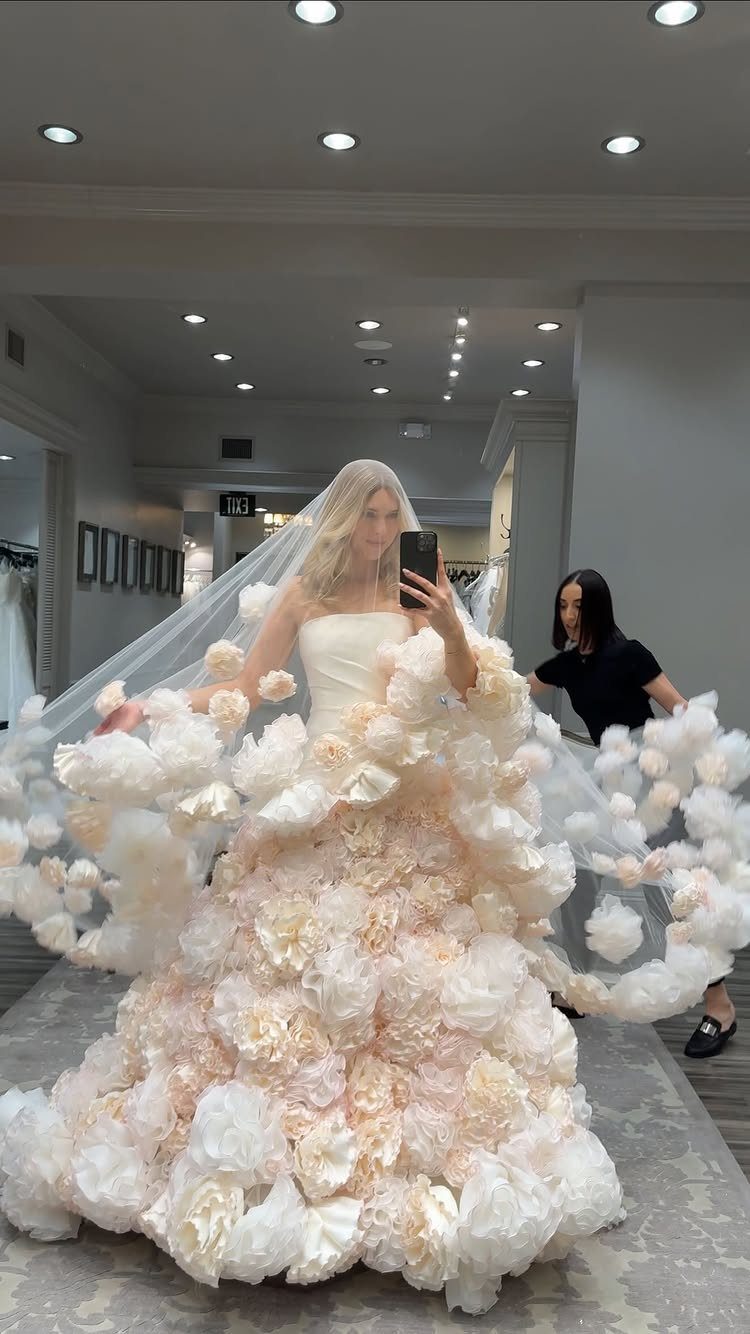
Floral rosette ruffles turn the skirt into a garden of sculpted petals. Each bloom is built from layered fabric, wired or stitched to hold its shape, then anchored so it moves with you rather than against you.
Viktor Rolf does a mini version for reception dresses, which tells you where this idea lives best: the after-party, not the ceremony.
A full gown of floral rosette ruffles needs a venue with enough light to show the texture; dim spaces flatten the whole effect.
Outdoor ceremonies work if the ground is dry; wet grass soaks the underskirt and weighs the rosettes down.
Ask whether the flowers are attached or appliquéd.
Sewn-in blooms survive dry cleaning; glued ones loosen. A separate reception slip with rosettes costs less than a second dress and gives the same two-moment effect.

Detachable Bridal Style: These detachable sleeves for women add a removable tulle layer to a strapless wedding dress, giving you flexible styling for the ceremony, photos, and reception while keeping the look refined and easy to change

Nice Quality Tulle Fabric: These detachable sleeves for wedding dresses are crafted from lightweight, breathable white nylon tulle that offers a soft, ethereal feel. The stretchable mesh moves naturally with your arms, providing elegant structure and comfort. Ideal as bridal sleeves, they enhance any formal look without sacrificing ease of movement

♚Features: Handcrafted flowers embroidered lace on a lively tulle. Sexy v neck ruffles empire high waist with high slit. Cold shoulder ruffle sleeves long dress, spaghetti straps princess formal evening party gowns, pleats ruffles a-line skirt, perfect to show your body curve. adjustable corset to fit every inch of your waist. Whether you are dressing it for a wedding party, prom, evening party or any other occasions, this party dress will be your lovely partner.
8. Ruffled Cap Sleeves
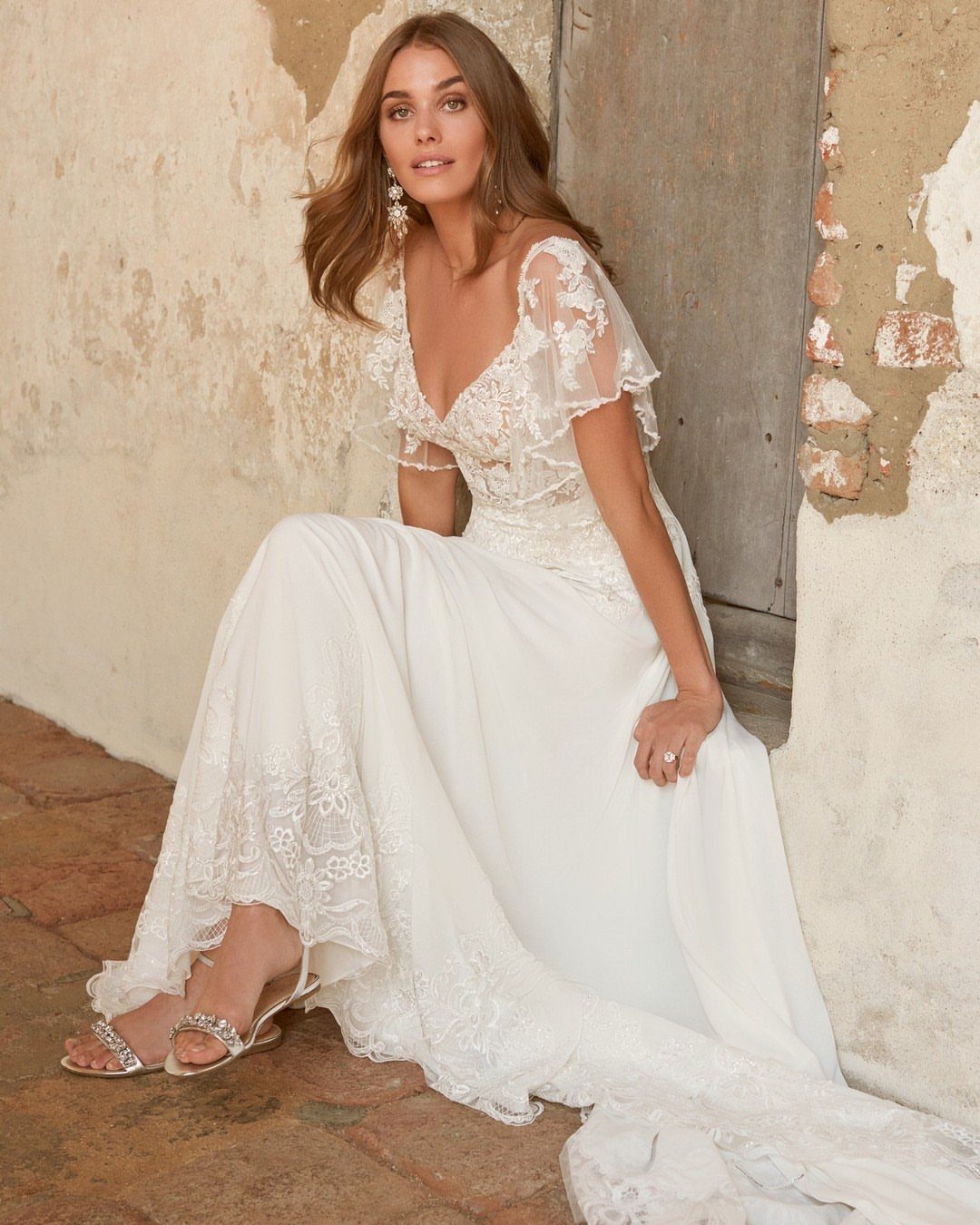
Cap sleeves with ruffles give coverage without the heat of long lace. The ruffle sits at the shoulder edge, not dropping past it, so your arms stay free for hugging guests and your first dance.
DaVinci’s 50489 pairs a ruched tulle bodice with waterfall tiers below, and keeping the drama at the shoulders with cap sleeves shifts the eye upward instead of letting it drop.
The lace here is likely Alençon or Chantilly, both light enough that the ruffle does not stiffen into a puff. Check the lining; unlined lace sleeves itch after an hour.
This suits brides who want tradition without the strapless tug-of-war. The sleeve holds the bodice in place, so you are not pulling it up in every photo.

Satin Fabric:Crafted from premium glossy satin material, silky-soft, drapes beautifully on your body with subtle elegant sheen.

Design:Show off an elegant collarbone line with the off shoulder neckline, wrap-inspired bodice and cascading side ruffle. The back fold-over collar detail creates a polished finish, making this formal dress especially flattering in event photos

Satin Fabric:Crafted from premium glossy satin material, silky-soft, drapes beautifully on your body with subtle elegant sheen.
9. Sparkling Ruffle Ballgown
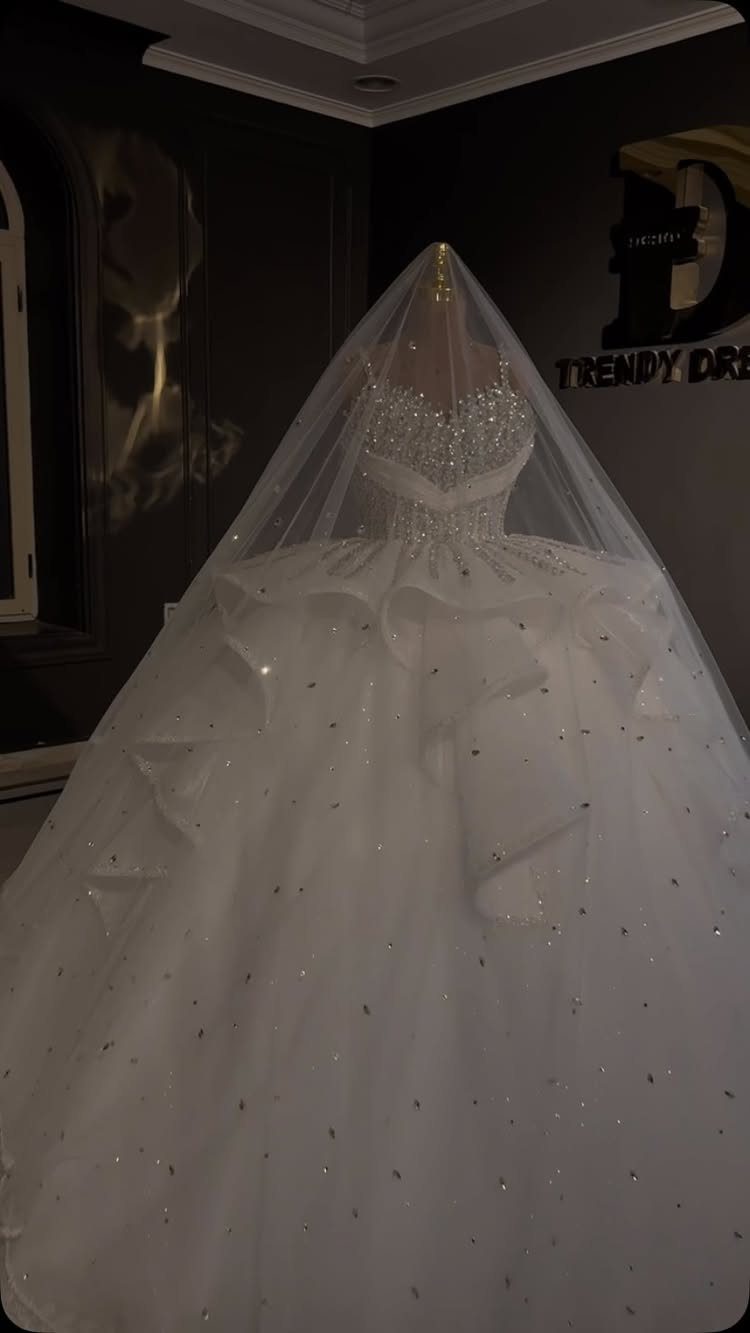
A ballgown with sparkle at the bodice and ruffles below splits your budget 2 ways: beading for the crystals, construction for the skirt.
Pierre’s Bridal Sage, style 1030, uses frosted lace appliqués that start at the plunging neckline and run down into the ruffles, which blurs the line between bodice and skirt so the dress reads as one piece.
A cathedral train on a ruffled ballgown needs more than one person to manage in a church aisle; the fabric pools and catches on itself in ways a single bridesmaid cannot fix while walking.
For a smaller venue, DaVinci’s tiered tulle options give volume without the length.
Crystal or sequin beading catches light differently than fabric alone, and the shimmer changes as you move rather than sitting flat.
Beading adds weight that a ruffled skirt already carries plenty of; the combination means a dress that tires your shoulders faster than you expect.
Wear it long enough to feel where the weight settles and whether the ruffles rub against your arms; a quick glance in the mirror misses what an hour of standing will teach you.

2026 Ruffles A Line Elegant Corset Wedding Guest Dress , V Neck,Drawstring Back,Built-in Bra,Puffy Tiered Tulle,Mermaid Gown,Spaghetti Strap,Long Ruffle Train

2026 Ruffles A Line Elegant Corset Wedding Guest Dress , V Neck,Drawstring Back,Built-in Bra,Puffy Tiered Tulle,Mermaid Gown,Spaghetti Strap,Long Ruffle Train

red white and blue dress graduation dress ball dresses for girls white corset dress formal wedding guest dresses for girl nursing dresses breastfeeding drop waist dress girl white flowy dress kaftan dresses for girl flowy summer dresses for girl girls size 14 dress girls dance dress purple dress formal dress for girls black dress girls 10-12 semi formal wedding guest dress a line dresses for girl 2026 sequin dress workout dresses for girl ruffle dress ruched dresses for girl dresses for girl
Choosing the Right Silhouette
Your body shape and personal style should drive this choice, not the other way around.
A-line works for nearly everyone because the waist is the only fitted point, and the ruffles have room to fall without adding bulk where you do not want it.
Ball gown demands height or heels; the volume at the bottom can shorten a frame that is already petite.
Personal style matters as much as proportions. A bride drawn to clean lines will fight a tiered ball gown all day; one who wants movement in every photo will feel flat in a sheath with minimal ruffles.
Try walking, sitting, and hugging someone in the sample. The mirror shows silhouette; the fitting room shows whether you can still breathe after dinner and dancing.

Satin: Stretchy Cuffs with Ruffles.

【Package & Size】This package includes 1 roll of pink lace trim, measuring 5cm (about 1.96 inches) in width and 5 yards (4.5 meters) in length, offering enough pink lace ribbon for everything from small DIY crafts to larger home decor applications, and this lightweight lace fabric is easy to carry and handle

Features:plus size off the shoulder wedding dresses for bride;luxury crystal beaded bridal gowns;ruffle organza lace applique wedding gowns with long train;arab vintage bride dresses
Ruffle Placement
Ruffles can sit almost anywhere: neckline, wrists, skirt, bodice, veil, even the train. Each location changes what the dress does for you.
Neckline ruffles soften the face but compete with statement earrings; choose one or the other. Wrist ruffles on long sleeves add movement when you hold your bouquet or exchange rings.
Bodice ruffles create texture that catches light, though they can also add visual weight to the chest. Skirt ruffles are what most brides picture, and they give the most photographable drama.
The material matters for placement. A ruffled veil layered over a simpler dress gives you the effect without committing your whole silhouette to it.
Color Options
White and ivory remain the standard choices, and ruffles in these shades read as texture first, color second.
Blush pink softens the drama of heavy ruffling into something romantic; a deeper rose does the same with more presence.
Black ruffles make the strongest statement, though the effect can read costume rather than bridal depending on your venue and crowd.
Misty blue sits at the subtle end, a near-neutral that photographs as something other than standard white without demanding explanation.
The more saturated your color, the more the ruffles themselves become the story. A bright pink ball gown with tiered ruffles is one kind of wedding; an ivory gown with blush undertones at the skirt layers is another.
Your venue lighting changes everything. Natural outdoor light shows true color; dim ballrooms flatten and darken, so a pale shade risks reading as dirty white.
Accessorizing Ruffles
A ruffled dress already carries visual weight, so accessories should add function or a single focal point, not compete.
A thin velvet ribbon can do the same work at a lower price point, and the texture plays nicely against layered fabric.
On a dress where ruffles start at the natural waist, a belt turns busy into chaotic. Skip it.
Veils pair well when they echo the texture rather than repeat it. A simple tulle veil with a raw or pencil edge balances tiered ruffles below; a lace-edged or heavily beaded veil fights for attention.
Ruffles on the veil itself, at the edge or scattered through, work only if the dress ruffles are minimal.
Earrings should show when your hair moves.
Necklaces compete with neckline ruffles; most brides skip them. Shoes matter more than you expect, since ruffled hems often rise enough to flash your feet when you walk or dance.
Frequently Asked Questions
Are ruffle wedding dresses in style?
Ruffle wedding dresses are back, though the current versions look different from the ones that dominated in past decades.
What reads as modern now is the placement and scale: a single cascade down one side, asymmetric layers, or ruffles that start at the knee on a mermaid gown rather than covering every surface.
The movement and texture still photograph well, which keeps them on designers’ runways and in bridal collections.
Brides who want the look without the full costume effect can find it in detachable pieces, like Pierre’s Bridal’s cold-shoulder sleeves or Gemy Maalouf’s tulle cape, both of which come off after the ceremony.
What fabrics are best for ruffle wedding dresses?
Tulle and organza are the fabrics that make ruffles work without exhausting the person wearing them.
Organza holds a crisp shape so each ruffle keeps its edge; tulle underneath adds fullness without the weight of satin or the heat of multiple lace layers. Horsehair edging sewn inside the hem gives structure to cascading styles.
Satin ruffles exist, mostly in layered or asymmetric designs like Maggie Sottero’s Fatima, but the weight adds up fast and the dress tires your shoulders sooner than you expect during a long day.