The dresses below include thrift-store finds and built-to-last pieces with finished seams and proper linings, with most sitting in the middle.
What separates one from another is not fabric but construction, and the single rule that picks yours is how much your courthouse ceremony asks you to move through: waiting areas, signing desks, possible steps outside for photos, all in tight quarters where a wide skirt has no room to flare.
1. Tea-length Wedding Dress
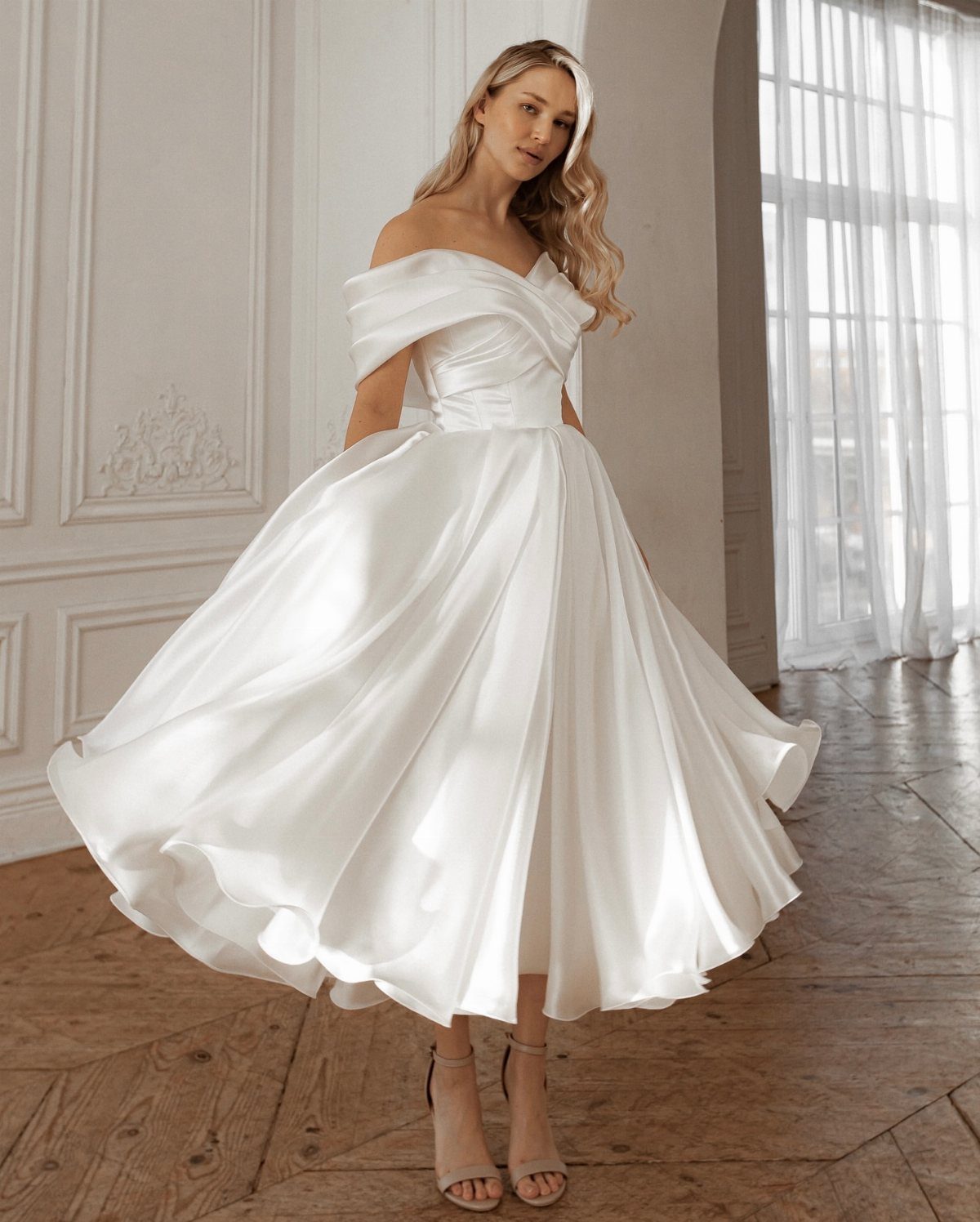
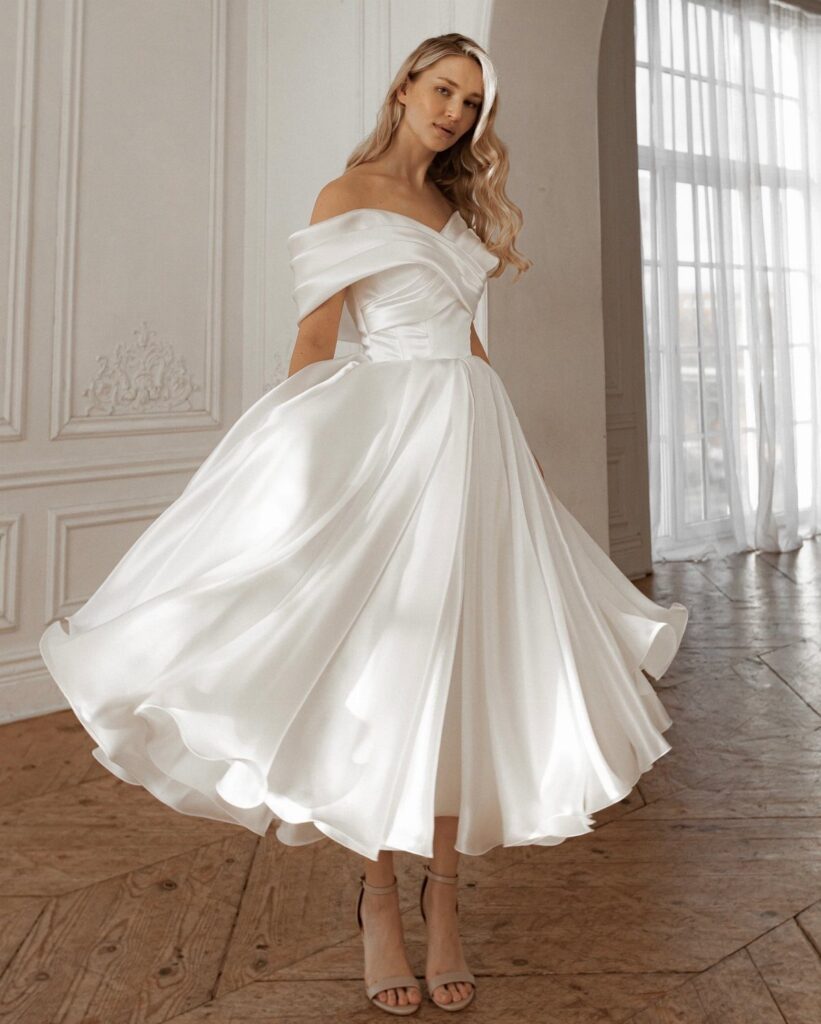
A tea-length dress lands mid-calf, the hem sitting somewhere between your knee and ankle, which is exactly the proportion that reads vintage without looking costume.
A satin tea-length dress keeps the line clean with a wide waistband that breaks up the expanse of white and an off-the-shoulder neckline that shows enough skin for a January courthouse date.
For modest weddings, this shape has a practical side: the shorter skirt means you can wear it again, and white satin in a simple cut passes at formal summer parties with the right accessories.
The full skirt also forgives a pair of comfortable heels rather than the sky-high kind a floor-length gown demands.
Tulle reads more garden party; satin reads more city hall on a weekday morning.
Both work. Choose based on whether your ceremony has chairs or a standing line.

Unique Features: soft satin formal dress for bride,satin lace wedding dress with sleeves,3/4 sleeves dress with pockets,bride after wedding party dress,lace half sleeves wedding gowns.deep v neck tea lenght dress for bride, knee lenght bridal dress for women,corset dresses for bride, short engagement party dresses for bride, elopement dresses for bride,lack up back ,built in bra,a line,sexy v neck,with pocktes,create the most beautiful look

1.Fabric:Satin, lace
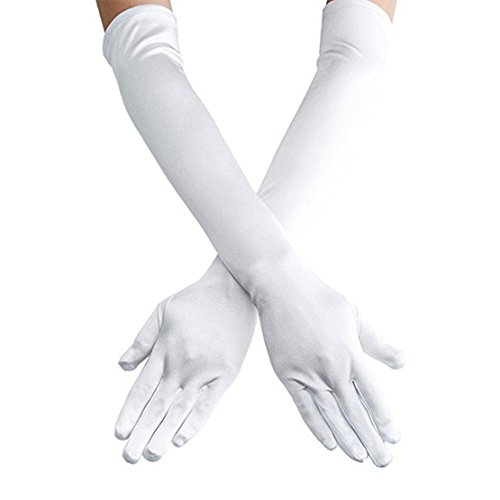
GREAT MATERIAL: Made of 90% Polyester and 10% Spandex, stretchy and easy to put on.
2. Simple A-line Dress
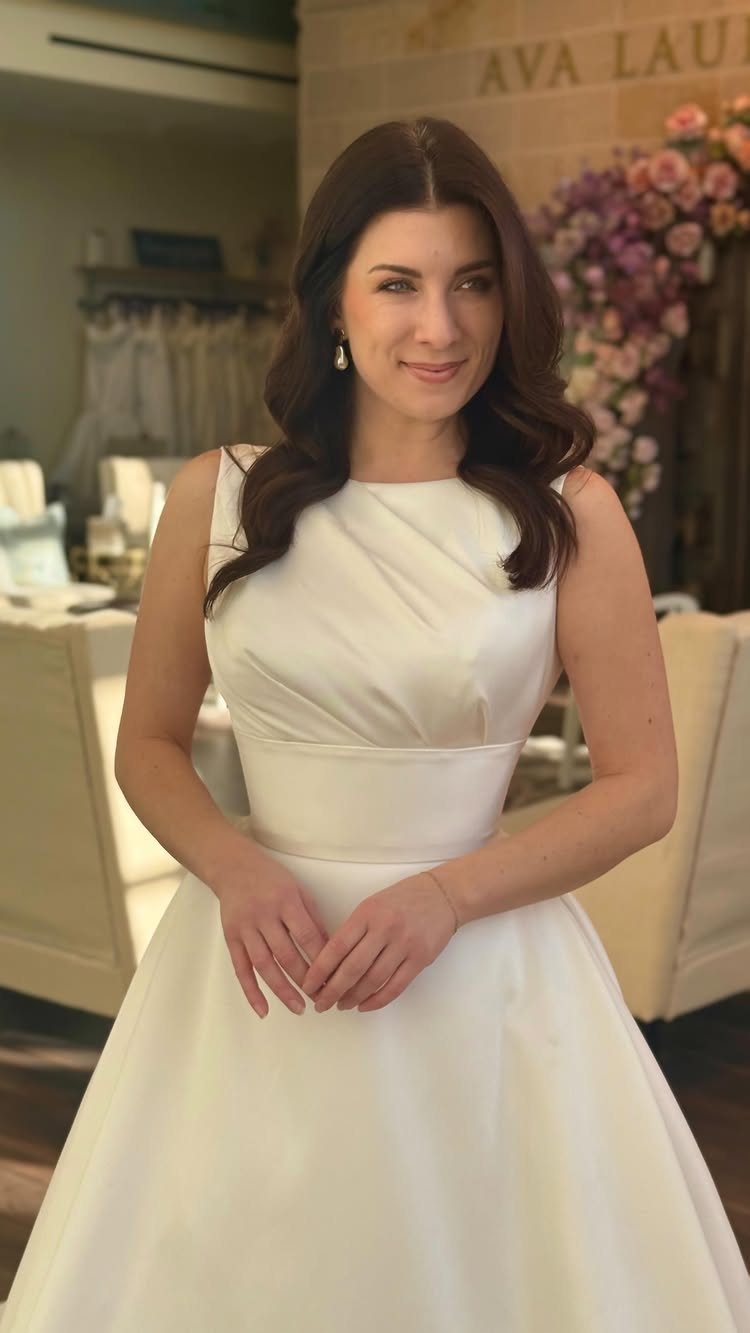
The A-line gets its name from the shape: fitted through the bodice, then flaring out gradually to the hem, which makes it the silhouette that flatters without requiring alterations beyond the usual hem.
Sleeveless keeps the cost down, no sleeves to fit, and a wide waistband gives the eye a place to rest.
What I like about this one for courthouse weddings is the versatility.
The same dress works with a thin gold belt and nude heels for a lunch reception, or with a simple pair of white pumps and no belt for the ceremony itself.
A square neckline reads slightly more formal; a V-neck slightly less.
Wedding sizing runs small, so check the chart rather than ordering your usual number. A-line skirts are forgiving through the hips, but the bodice needs to fit or the whole thing looks borrowed.

Size: Please check Our Size Chart before you placed the order,if you have any problems,please contact us.

Wedding Theme:beach wedding,boho wedding,country wedding,civil wedding,courthouse wedding,elopement dress,minimalist wedding,2nd marriage wedding,destination wedding,rustic wedding

Design: Short sleeve, zipper on the left of the dress. It has pockets on each side, knee length. The fabric feels soft and comfortable.
3. Off-the-shoulder Dress
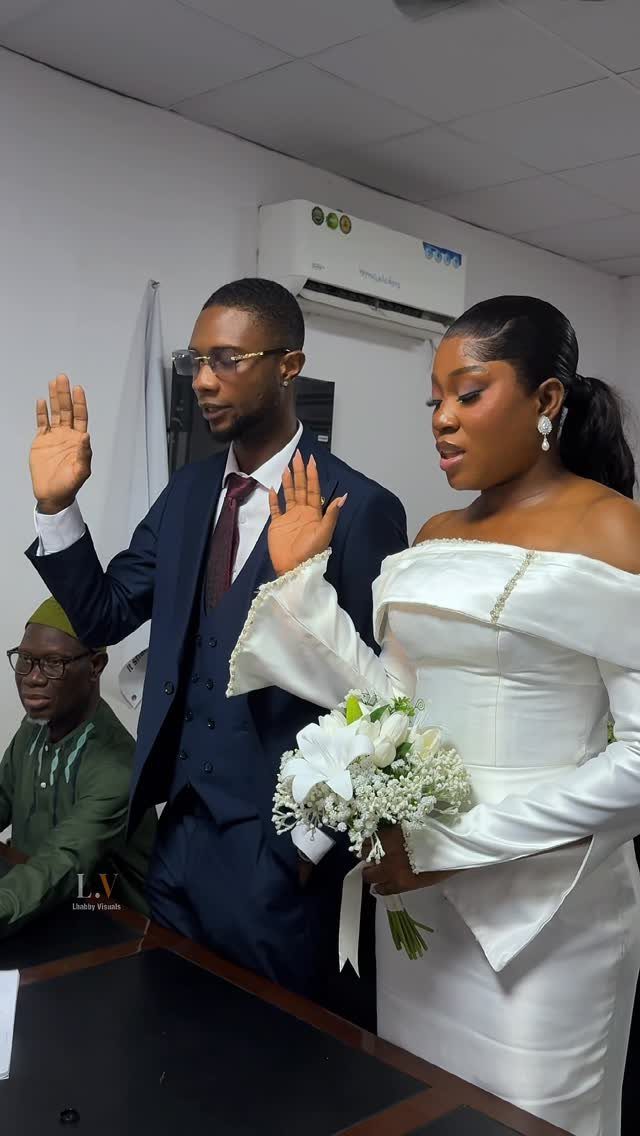
Off-the-shoulder necklines frame the face and keep the look modern without going strapless, which matters in a courthouse where you may be sitting, standing, signing papers, and hugging relatives in quick succession.
The fold-over style in one of the notes, where the fabric crosses over itself, stays put better than the kind that simply elasticizes across the upper arms.
A peplum option with a matching pencil skirt and birdcage veil reads more fashion editorial than practical ceremony.
For a real courthouse budget, a simpler flared skirt moves better and costs less to tailor.
Strappy heels are the natural pairing, but bring a backup pair if your courthouse has marble floors.
I have watched a bride walk through the Chicago County Building in heels that clicked too loudly; she was self-conscious through the whole ceremony.

Pattern cut:Flattering the figure and accommodating all body types: the off-shoulder, strapless design perfectly shows the neck and collarbones, softening broad or sloping shoulders and giving off a gentle vibe; the heart-shaped neckline brings the bust together, creating a full and soft chest line for a refined silhouette

Material: This white off shoulder lace maxi dress made of 100% polyester,High-quality Non-Stretch through embroidery lace fabric.Comfortable & Breathe freely.
4. White Lace Mini Dress
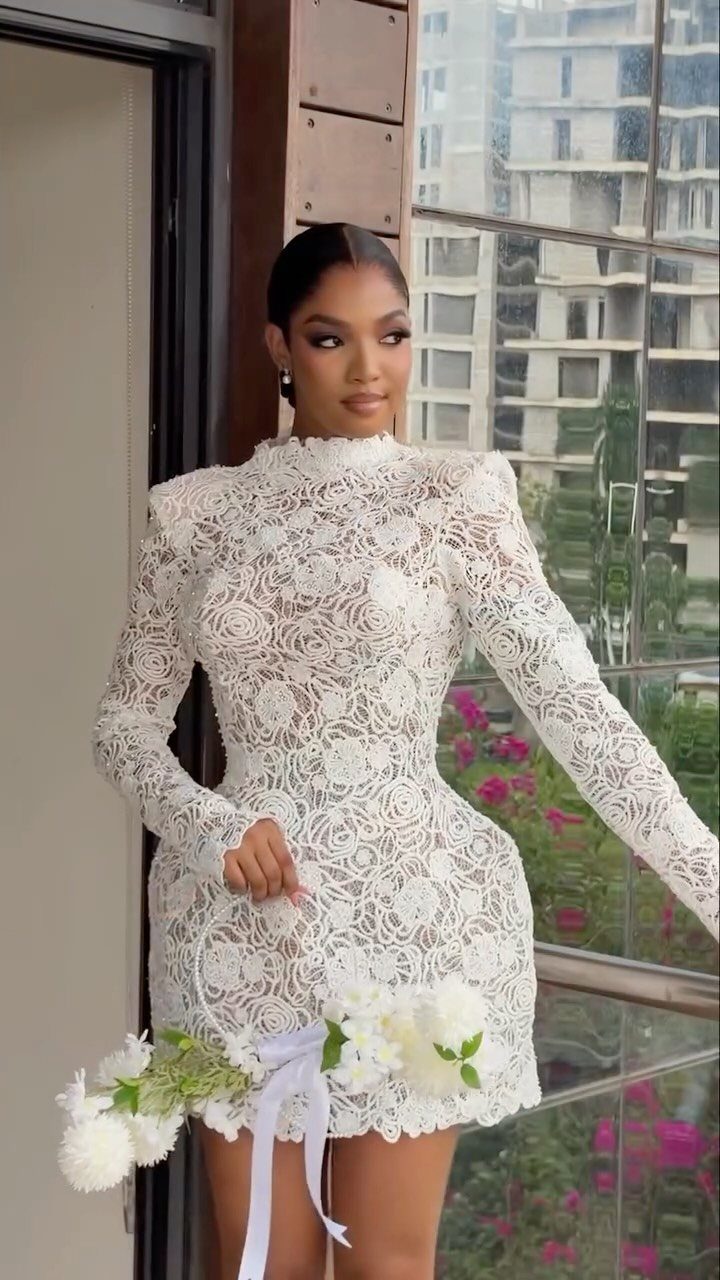
A mini dress for a courthouse wedding commits to the premise: this is a legal formality, not a production, and the dress should acknowledge that without looking like an afterthought.
The lace here is what matters, scalloped edges and an open back with buttons that give the eye something to linger on from behind during the brief ceremony.
A feather trim hem is a variation I would skip unless your budget has genuine room for single-use whimsy.
The long sleeves in the visible version are practical for winter and photograph well against the typical courthouse backdrop of wood paneling or pale stone.
For pregnant brides, a chiffon maternity version carries the same long-sleeve shape.
The principle carries over: a defined waist, even a high one, keeps a short dress from reading as a tent. Order early; maternity sizing changes faster than standard alterations can accommodate.

SOFT & STRETCHY FABRIC: Made from 90% Polyester and 10% Spandex, this sleeveless maxi dress features a soft, breathable, and high-stretch fabric that comfortably hugs your body while allowing easy movement. Lightweight yet not see-through, perfect for all-day wear.

Comfortable Fabric: The square neck maxi dress is crafted from high-quality polyester and elastane, ensuring a light and soft feel against your skin for all-day comfort

Comfortable Fabric: The square neck maxi dress is crafted from high-quality polyester and elastane, ensuring a light and soft feel against your skin for all-day comfort
5. Lace Sheath Dress
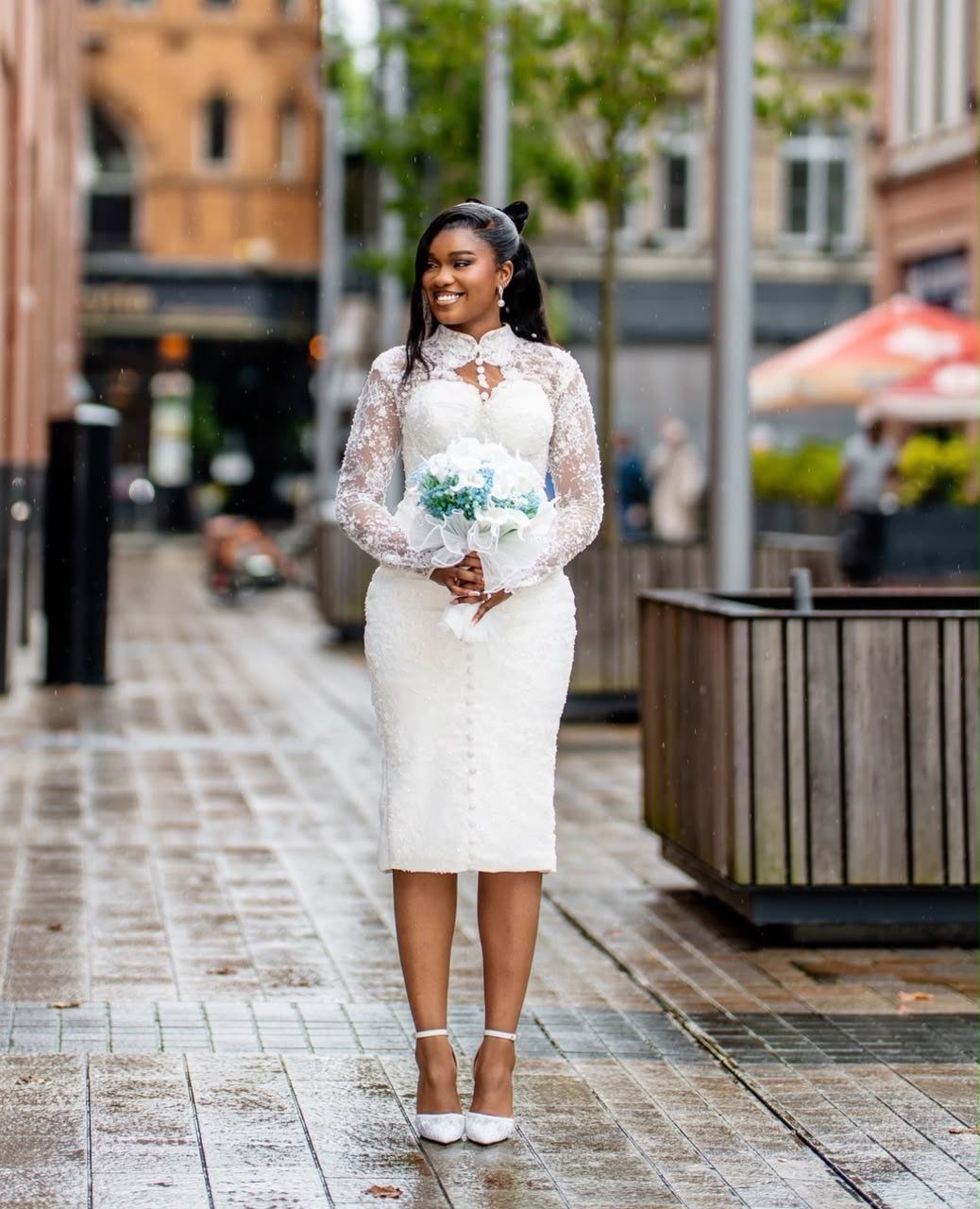
Sheath dresses follow the body rather than shaping it, which makes them the choice when you want to look like yourself, only formal.
A lace sheath, knee-length with a boat neck, keeps the coverage high and the length practical for city streets and courthouse steps.
A high neck or sweetheart neckline are the 2 common variations, and the choice matters.
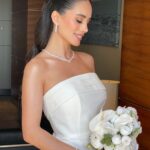
A high neck needs little jewelry; a sweetheart wants a pendant or a careful earring. A strapless version with long lace sleeves is a contradiction that works only if the lace is substantial enough to function as coverage.
For the bouquet, white and blue is a useful reminder that your flowers do not need to match your dress. White on white is safe; a contrast color is often more interesting in photographs against white walls.

Women's Formal Dress: Mid calf !!! Cocktail dresses for women 2026 wedding guest are perfect for daily work, which will help you balance your weekend fun and work dress needs. aline, detachable decorative belt - all designs are for your semi formal needs

features:tea length prom dresses for women formal dress floral gowns tulle evening gown 2026 strapless flower embroidered dresses for women a-line tea length formal dress floral ball gown a line embroidered formal dress high waist fairy gown flowy flower gowns embroidered floral gown floral formal dresses for women flowy prom dress tea length dresses for women formal.

【Material】 The Summer Midi Dress is made of 95% Polyester+ 5% Spandex. Soft, stretchy and lightweight material. Not Easy To Wrinkle.
6. One-Shoulder Midi Dress
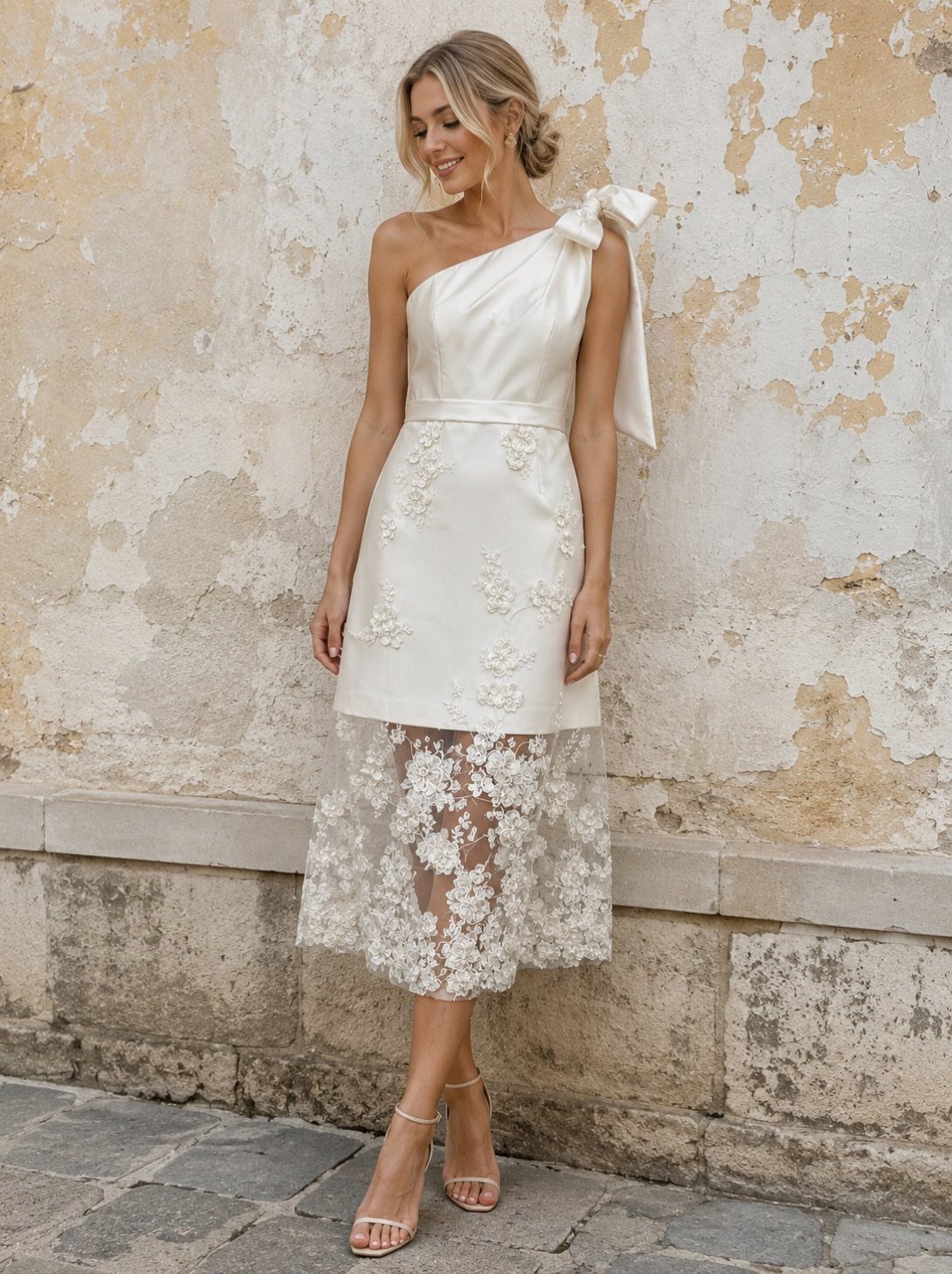
One-shoulder dresses carry a built-in problem: the asymmetry draws the eye, which is the point, but it also means the dress only photographs well from certain angles.
The bow detail on this version gives the asymmetry a reason, anchoring the single strap rather than letting it look like a mistake.
The satin bodice with sheer floral lace below is a construction that keeps the supportive fabric where you need it and the decorative fabric where it shows.
For a courthouse wedding, the midi length, landing below the knee, is the compromise between the mini’s casualness and the tea-length’s formality.
The notes include a black version with a flowing side train, which is useful only as a reminder that this shape works in colors other than white.
For a second marriage, or for a bride who simply does not wear white, the one-shoulder cut in blush or navy keeps the ceremony feeling special without the costume.


Features: Satin Tea Length Mother of The Bride Dresses for Wedding with Pockets V Neck A Line Wedding Guest Dress with Long Sleeves, Long Sleeve Elegant Formal Dresses for Women with Pockets,Satin Tea Length Cocktail Party Gowns with Bow,Elegant Simple Mother of The Groom Dresses for Wedding.

SOFT SATIN MATERIAL: Made of Polyester and Spandex, stretchy and easy to put on.
7. Sweetheart Satin Midi Dress
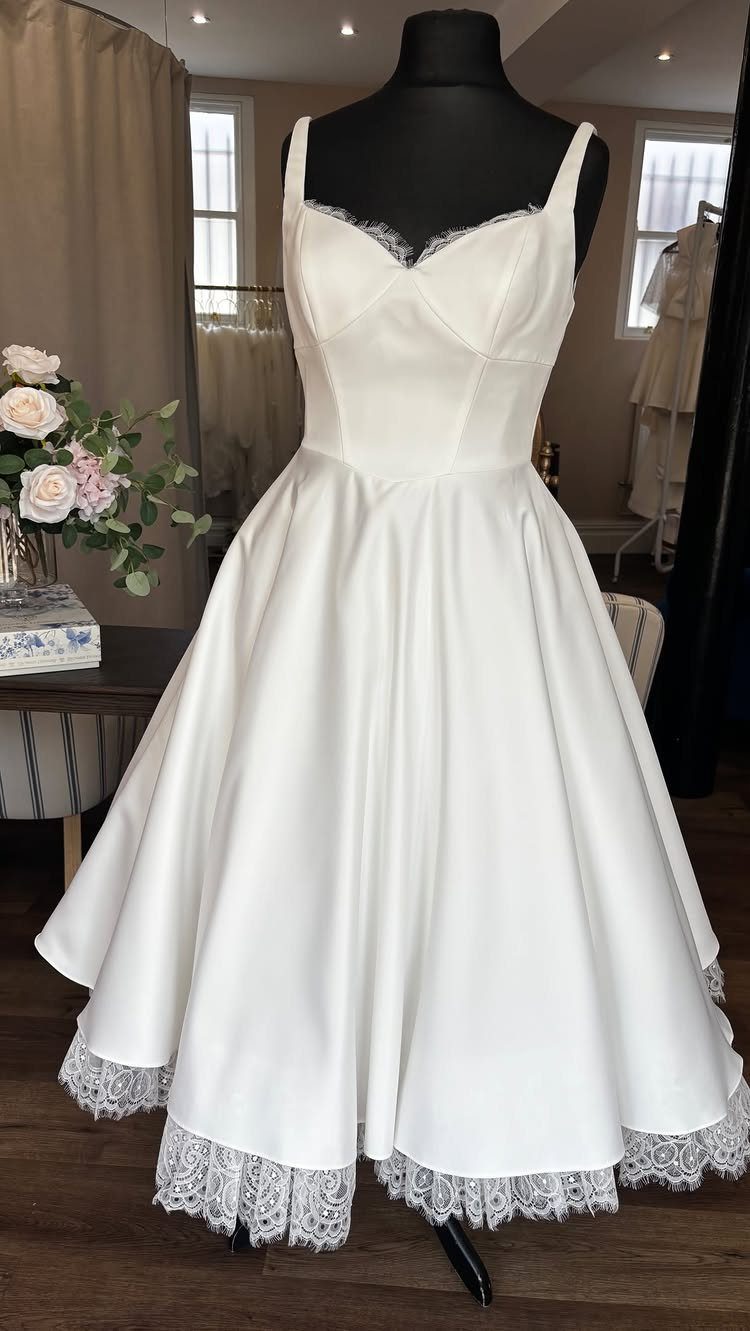
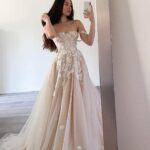
Spaghetti straps and a sweetheart neckline are a pairing that keeps the dress light without going strapless, which matters in a courthouse where the temperature can swing between overheated waiting areas and air-conditioned chambers.
The lace trim at the neckline and hem gives the satin something to catch light on, so the dress photographs with texture rather than glare.
A cinched waist with a flared skirt, as in one variation I have seen, moves more freely than a straight sheath for the short walk from car to clerk’s office. White pointed pumps continue the line; anything ankle-strap breaks it.
Check that the lace lies flat against the satin at the neckline. Gapping there is the alteration that costs most on this cut.

FEATURES:Spaghetti Strap ,soft Tulle,with train,a-line,lack-up back,lace,long,drawstring,sleeveless,V-neck,Open Back,boho,beach,perfect flowy wedding dress and Formal bridal Gown.

FEATURES:off shoulder,soft satin,pleated,ruched,with train,a-line,lack-up back,long,drawstring,sleeveless,pleated,corset,boho,beach,perfect flowy wedding dress and Formal bridal Gown.

Size and Material: Regular fit. S=US 4-6, M=US 8-10, L=US 12-14, XL=US 16-18. Please check the size chart carefully before purchase. Crafted from a soft, smooth fabric with excellent drape, that feels gentle and skin-friendly, providing a comfortable fit for all day wear
Dress Length Considerations
Short, midi, and tea-length each answer a different question about your ceremony.
A mini dress lands above the knee and reads as the most casual option. It works best when the courthouse is a quick stop and you are not climbing many steps or standing in a long line.
Below the knee, midi length gives you more coverage without the formality of floor-length. The one-shoulder midi and the sweetheart satin midi both use it to keep some formality without the sweep of a train.
For courthouses with marble floors and echoing halls, the midi also stays cleaner than a floor-length hem dragging through winter slush.
A full skirt needs room to move; narrow benches and crowded clerk’s offices make this shape harder to sit in gracefully. Save it for a courthouse with a larger chamber or a separate waiting area where the skirt has room.

Wedding Theme:beach wedding,boho wedding,country wedding,civil wedding,courthouse wedding,elopement dress,minimalist wedding,2nd marriage wedding,destination wedding,rustic wedding

Size Chart:XS (Bust-31.9",Waist-24.4",Cuff-11"); S (Bust-33.9", Waist-26",Cuff-11.8"); M (Bust-35.8", Waist-28",Cuff-13"); L (Bust-37.8", Waist-29.9",Cuff-13.4"); XL (Bust-39.8", Waist-31.9",Cuff-14.6"); 2XL (Bust-41.7", Waist-33.9",Cuff-15");3XL (Bust-43.7", Waist-36.2",Cuff-15.4")
Wedding Theme:beach wedding,boho wedding,country wedding,civil wedding,courthouse wedding,elopement dress,minimalist wedding,2nd marriage wedding,destination wedding,rustic wedding
Budget-friendly Options
The dresses in the list run from very affordable to several hundred, with most falling in the middle.
What moves a dress from affordable to expensive is usually construction, not fabric: a fully lined bodice, built-in cups, and finished seams at the hem.
For the tightest budgets, the A-line and sheath shapes are easiest to find in regular retail.
A white lace sheath or a simple satin A-line from a department store clearance rack, cleaned and pressed, passes at a courthouse where the ceremony is brief and the photos are few.
The off-the-shoulder and one-shoulder cuts, with their specialized necklines, are harder to source cheaply and more expensive to alter.
Thrift stores in college towns and larger cities sometimes carry white dresses with tags still attached.
Look for brands that use standard sizing rather than bridal sizing, which runs small and complicates fit. A dress labeled 8 that fits like a 6 is no bargain if the bodice cannot be let out.

Premium Lightweight Swiss Dot Chiffon Fabric: Breathable for hot summer days and cool fall evenings, fully lined to prevent sheerness. Soft sheer fabric flows beautifully for a graceful walking silhouette

- Soft elastic fabric, lightweight and skin-friendly, brings comfortable wearing experience.

Ideal for All Occasions: Great for Thanksgiving, Christmas, Easter, birthday parties, weddings, church, school events, family photos, and pageants. The timeless floral design works beautifully through fall, winter, and spring. Suitable for both casual and formal events
Accessorizing the Dress
Keep the bouquet small and tight, in white and blue, so it gives a little contrast against the dress without taking up space in the tight room.
Anything larger than a bridesmaid bouquet looks out of proportion in a clerk’s office and gets in the way during the signing.
Shoes matter more than the dress in some courthouses. Marble floors, as in the Chicago County Building example, amplify every footstep.
Jewelry follows the neckline.

Fabric: Lace wedding guest dresses for women, crafted from quality floral lace with a soft, skin-friendly stretch lining to prevent itchiness and ensure breathable. The material is lightweight yet durable, offering a comfortable fit that moves with you, making it suitable for summer all day wear at weddings or evening events

Fabric: Crafted from stretchy and lightweight lace, this cocktail dress offers superior comfort and a flattering fit. The back zipper ensures easy wear and removal, while the elegant design highlights your feminine charm

Features: Tea length mother of the bride dresses for wedding long 2026 wedding guest cap sleeves a line lace appliques chiffon grandmother of The groom dresses for wedding guest a line floral prom dresses modest 2026 v neck formal gowns for women elegant evening party dress, chiffon evening gowns for women formal dresse, wedding dresses for bride, prom dress, mother of the groom dresses for wedding, lace up back,built-in bra, plus size.
Comfort and Fit
Courthouse weddings involve more movement than they appear to: sitting in waiting areas, standing at a counter, signing at a desk, then possibly steps outside for photos.
A dress that restricts any of this becomes a problem you notice at the wrong moment.
The sheath follows the body and can ride up when you sit; test this before the day. Gathering a tea-length skirt to one side when you sit keeps it from ballooning around you.
Temperature swings are real. Spaghetti straps and off-the-shoulder cuts leave arms bare; long sleeves in lace or satin add coverage that photographs against wood paneling or pale stone.
Layering is awkward in a wedding dress, so choose the fabric weight for the season and hope the building’s thermostat cooperates.
Wedding sizing runs small. Check the chart for every order.