The backs in this list range from a single keyhole of revealed skin to a full low plunge past the waist, with the season as the clearest filter: a winter wedding calls for illusion or covered styles where summer allows bareness.
What separates one choice from another is not trend but fit and alterations, since a button back that runs down your spine needs a patient helper and a bustle that will not drop mid-reception, while a cowl back drapes free and shifts on its own.
I would not plan either without testing the mirror view from behind, the angle your guests and your photographer will actually see.
1. V-Back
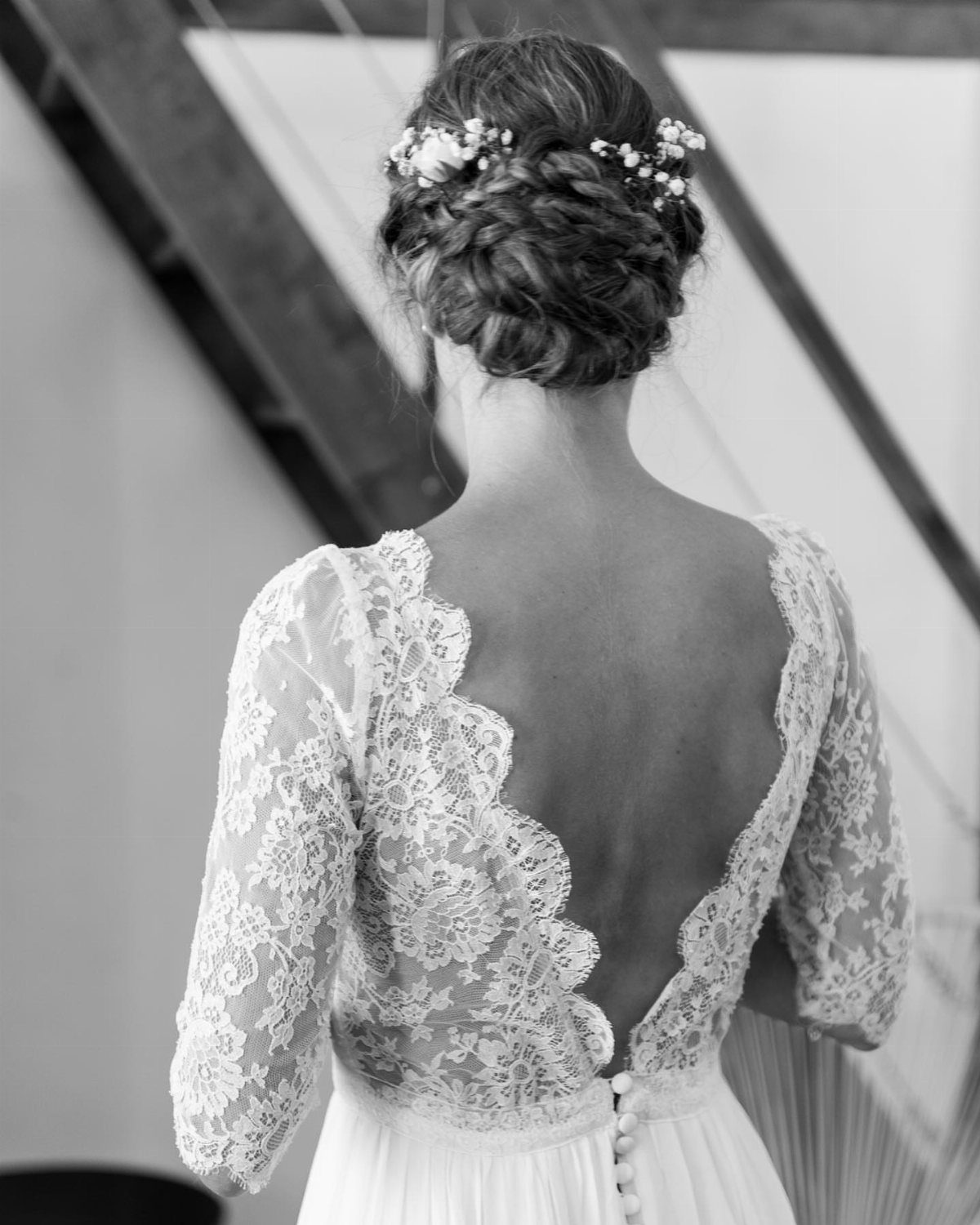
A deep V-back cuts a triangle between your shoulder blades and your waist, drawing the eye downward.
That vertical line stretches your torso visually, which I find especially useful if you are petite or have narrower shoulders and want to add length without showing everything.
The point sits lower than a standard open back but stops short of a full plunge, so you get meaningful skin with more structure up front.
Most versions pair this cut with long sleeves or thicker lace, which keeps the look balanced rather than bare.
Spring and summer ceremonies suit this style well, though I have seen it work at evening weddings when the fabric is heavier.
Check that the point does not fall below your bra line unless you plan on a backless undergarment or built-in cups.

Soft Material: Crafted from 40% viscose, 35% nylon and 25% polyester, this sweater dress hugs your curves without clinging or feeling see-through. The medium-weight knit offers suitable warmth for spring, fall and winter wear, while the stretchy fabric keeps you comfortable from morning meetings to evening outings.

Size: Please check Our Size Chart before you placed the order.

Flower Girl Dress for Wedding: Elegant V back satin flower girl dress pearl tulle long party pageant wedding formal evening ball gown, v back satin pearl tulle flower girl dress, made of premium fabric, the material is soft to touch, breathable and skin-friendly to wear, no itchy to the tender skin, which provides you a comfortable wearing experience, elegant girl fany dress suitable for toddler flower girl dress, junior bridesmaid dress, wedding dress for girls.
2. Illusion Back
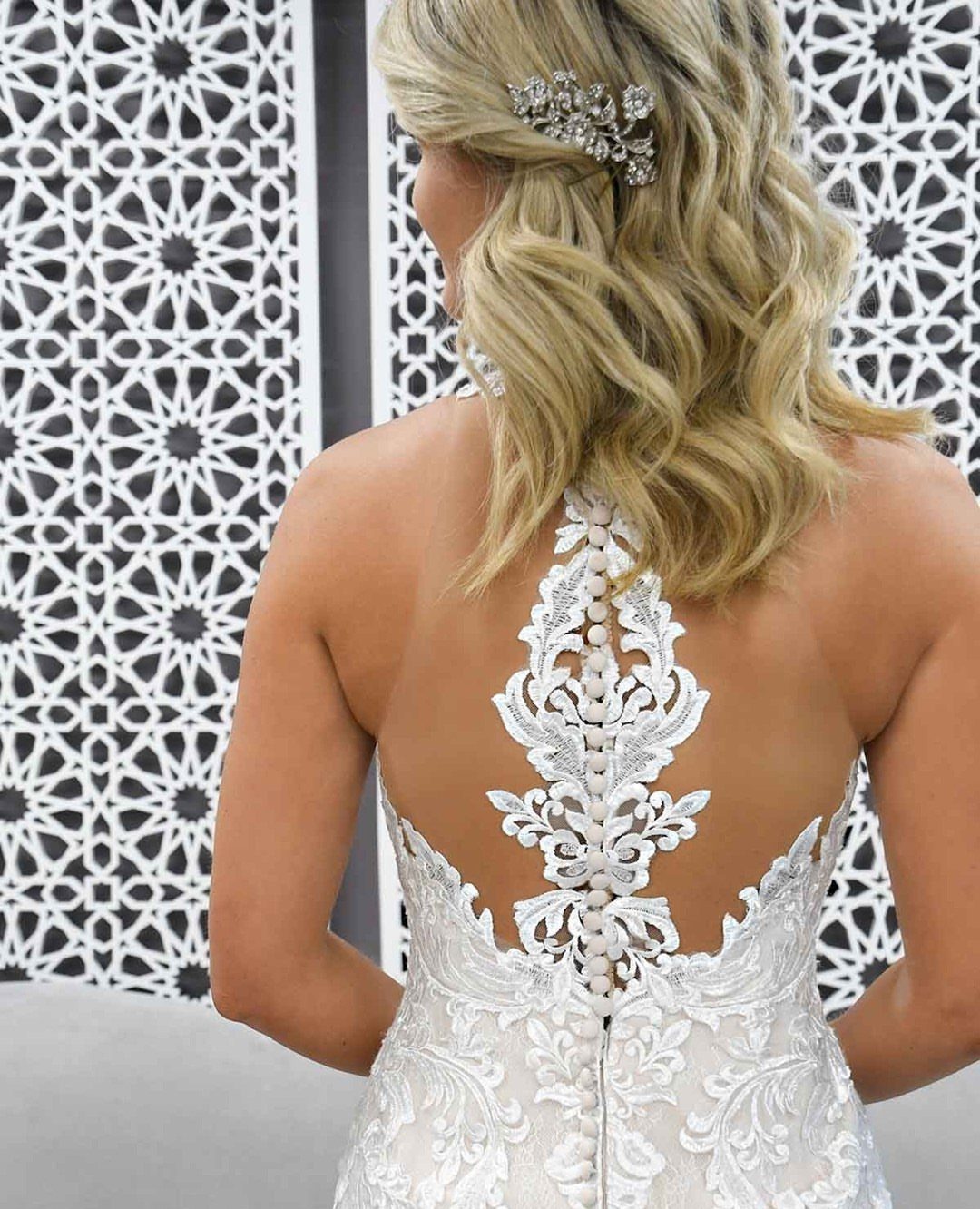
Sheer mesh or tulle across the back reads as bare skin from a distance, but up close you see the fine net holding lace appliqué in place.
That coverage matters if you are marrying in cooler months or simply want the security of knowing nothing will shift during your first dance.
The lace reads as texture in photos instead of a blank shape, which makes it a solid choice if you want the drama of a low back but still need some structure or coverage there.
The mesh can run the full length of the spine or stop at the waist, depending on the gown.
Ask your photographer about backlighting. The right angle turns the lace into silhouette, which is the effect most brides book this back for.

Size: [Model's height 5'5", Body Measurements Bust 32.48, Waist 24.6, hips 34.45 inches, wears size XS. Each variation product has a unique size chart. Please follow the size chart in the product photos and choose the size based on your own body measurements before buying. Thank you!

Crepe Short Sleeve Fit-and-Flare Dot Illusion Dress

Toddler Girls Sparkle Birthday Dresses: Sequin bowknot tulle tutu dress for toddler baby girls sparkly tulle tutu birthday pageant dress, toddler formal dress pageant dresses for toddler girls wedding guest dress, baby flower girl wedding dress, baby first communion dresses, tutu dress for toddler girls 2-3t, infant baby girl 1st 2nd 3rd birthday dress outfit cake smash photoshoot dress, little princess daddy daughter dance dresses for girls. Pageant gown for 12M - 6 year-old toddler baby girls.
3. Corset Back
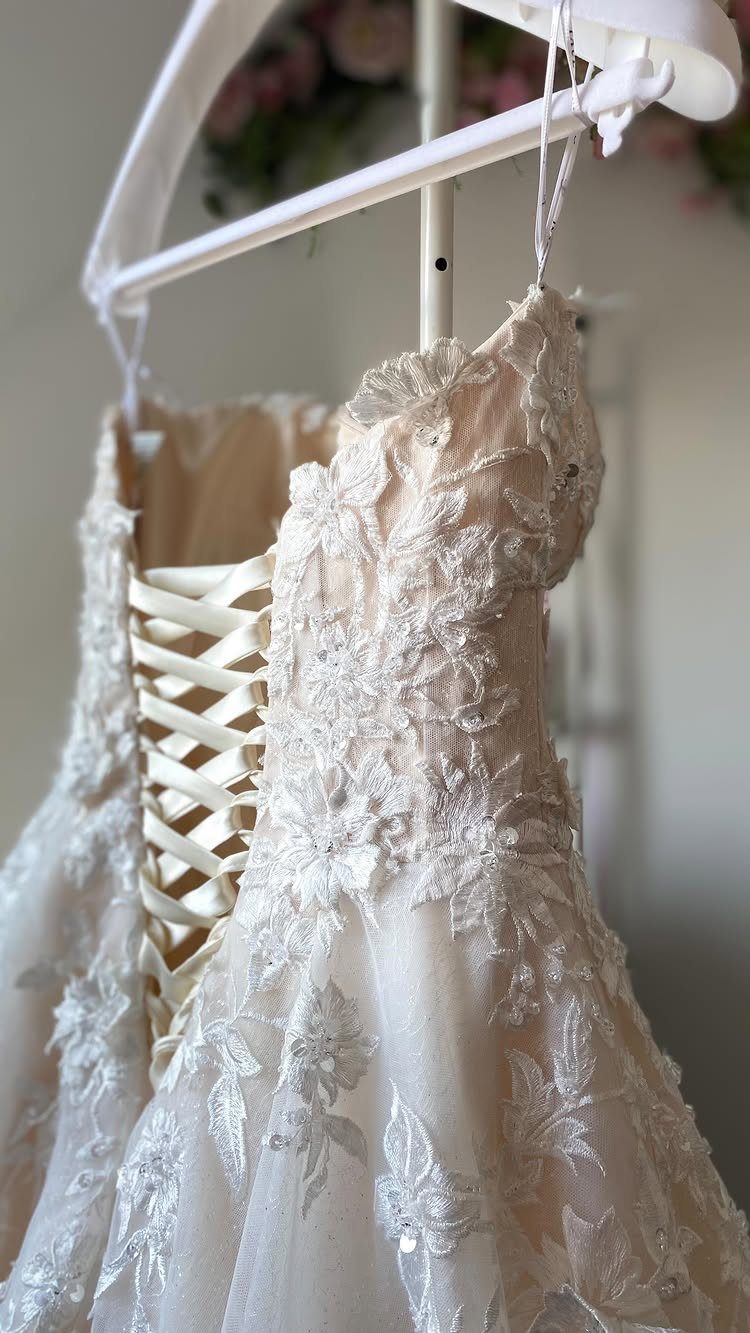
Ribbon threaded through eyelets replaces the usual zipper, letting you cinch the waist on the day itself. That adjustability is practical if your final fitting was weeks out and your measurements have shifted even slightly, which they often do.
The lacing creates its own structure from within, pulling the bodice close without relying on hidden seams alone.
I find this pairs naturally with ball gowns and fit-and-flare shapes where the waist is already the focal point. The finished look leans vintage, especially when the ribbon matches or deliberately contrasts with the dress color.
Plan for someone you trust to tighten and tie. The bow or knot sits at the base of your spine, visible in every photo from behind, so practice the shape beforehand.

COMPLETE CORSET KIT ZIPPER REPLACEMENT: This corset back kit includes two pre-looped fabric strips, a matching satin modesty panel, and an extra-long lace. Designed to convert a dress zipper into an adjustable lace up back; sewing is required

Premium Satin Corset Lace – High-quality satin ribbon, smooth and soft, gentle on delicate bridal fabrics, perfect for elegant dress transformations.

Satin Corset Back Conversion Kit: The corset back kit is made of quality stain material, smooth and comfortable. Durable satin that do not fade or break easily, can stand pressure. They will match bridal dress perfectly
4. Keyhole Back
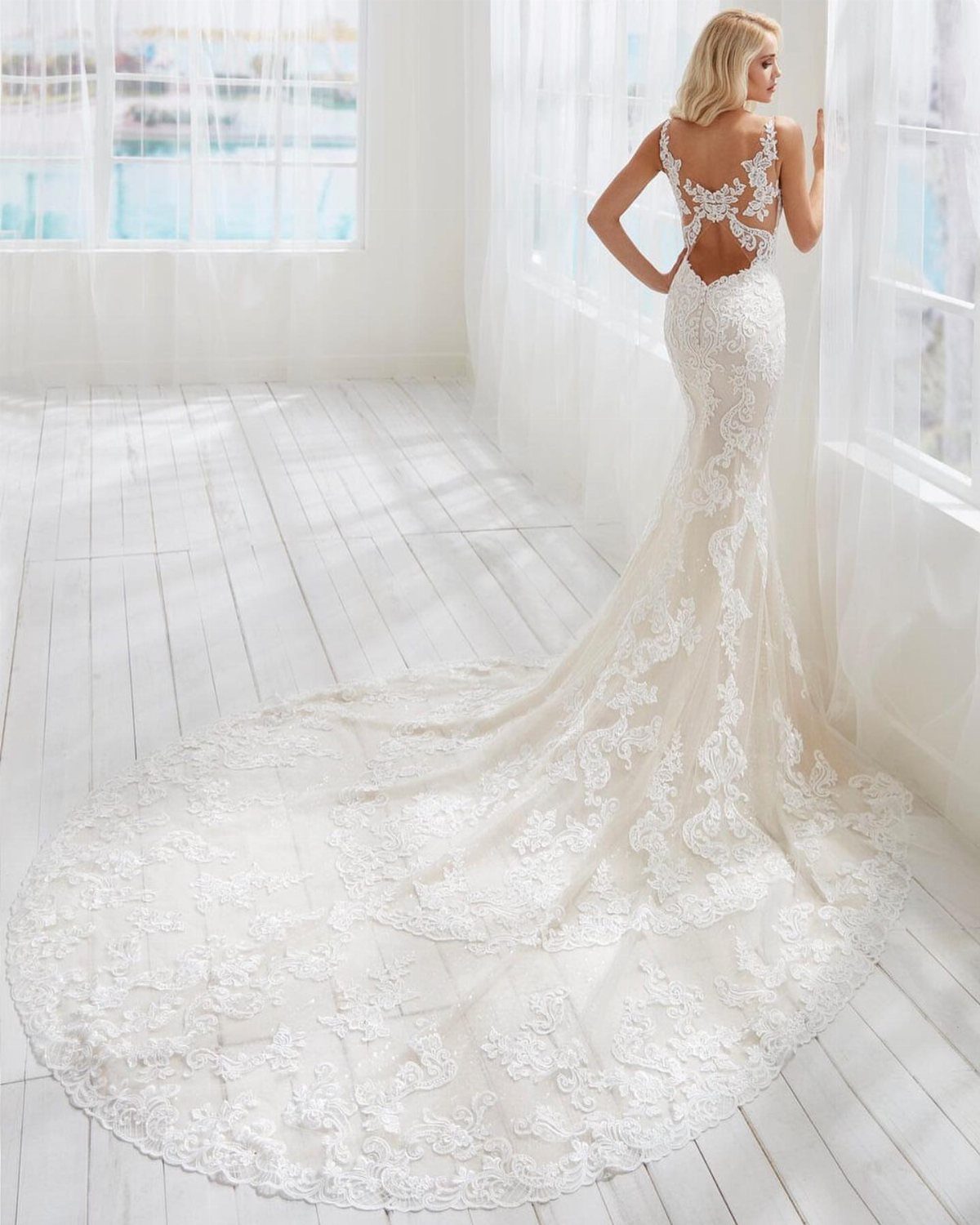
A keyhole back reveals a small oval or teardrop of skin between the shoulder blades, making it a single unexpected detail rather than a statement, which suits brides who want tradition with one moment of surprise.
I think of this as the compromise back: you get the photograph of skin without the logistics of a full open or low cut.
Position matters. Higher placement, near the shoulder blades, reads more modest; lower, toward the waist, adds edge.

Shapewear Bodysuit with Plunging Neckline: Consider sizing up since this SPANX smoothing bodysuit fits slightly small; this low-back design is perfect for your most daring dresses

✅NOTE: Please check the size chart before you purchase.SIZE - S (fit for 32C/34B); M (fit for 34C/36B);L (fit for 34D/36C);XL (fit for 36D/38C/40B); 2XL (fit for 38D/40C). Everyone has a different requirement for shaping effect. If you feel uncomfortable, please either take it off and wear it later, or exchange to a larger size. We advise hand wash in cool water, hang dry to maintain shape & elasticity, no ironing and no bleaching.

COMFORTABLE TO WEAR: This backless body shaper is soft, breathable fabric ensures that your skin stays dry and comfortable throughout the wear. Highly elastic fibers give it excellent stretch, so no matter how you move, you'll feel unrestricted and at ease
5. Cross Back
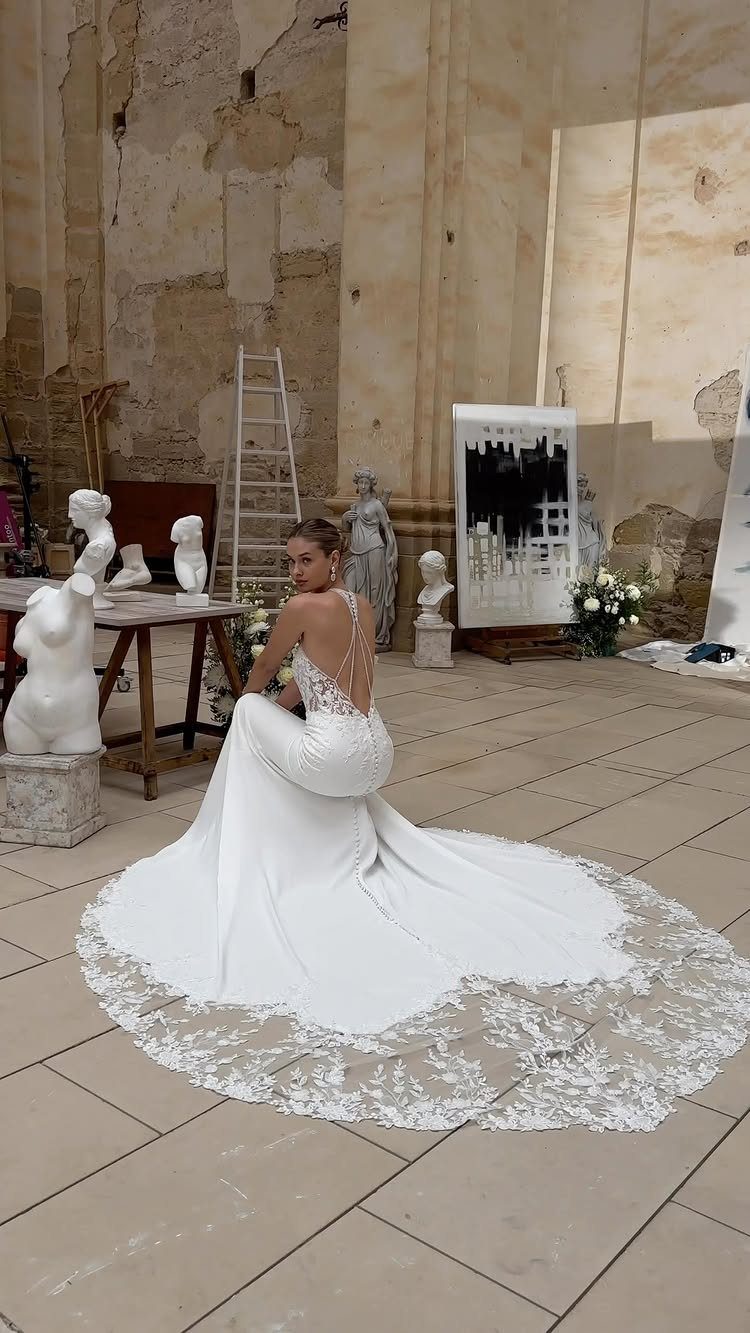
Straps that cross over an open back split up the bare area and add structure without covering it completely. The crisscross can stay plain or carry beading and embroidery, depending on how much detail your front already carries.
The diagonal lines flatter most figures because they pull the eye across instead of straight sideways. I associate it with outdoor and garden ceremonies, where the crossed straps feel relaxed against bare shoulders in sunlight.
The width of the straps changes the effect: thin spaghetti straps read delicate, while wider bands add support and a slightly more formal weight.
Consider how the crossing point sits relative to your bra line, since that determines what undergarment options you have.

Length: 140 Inches. Fits for most wedding dress bridal gown

Perfect buttons for wedding dress trims, wedding gowns trims and more. Round buttons are covered with premium fabric, have a metal shank back, with 1 large loop for effortless sewing of thread. Buttons available in white color.

Package Included:30pcs /Set Ivory Buttons with Buttonhole.
6. Open Back
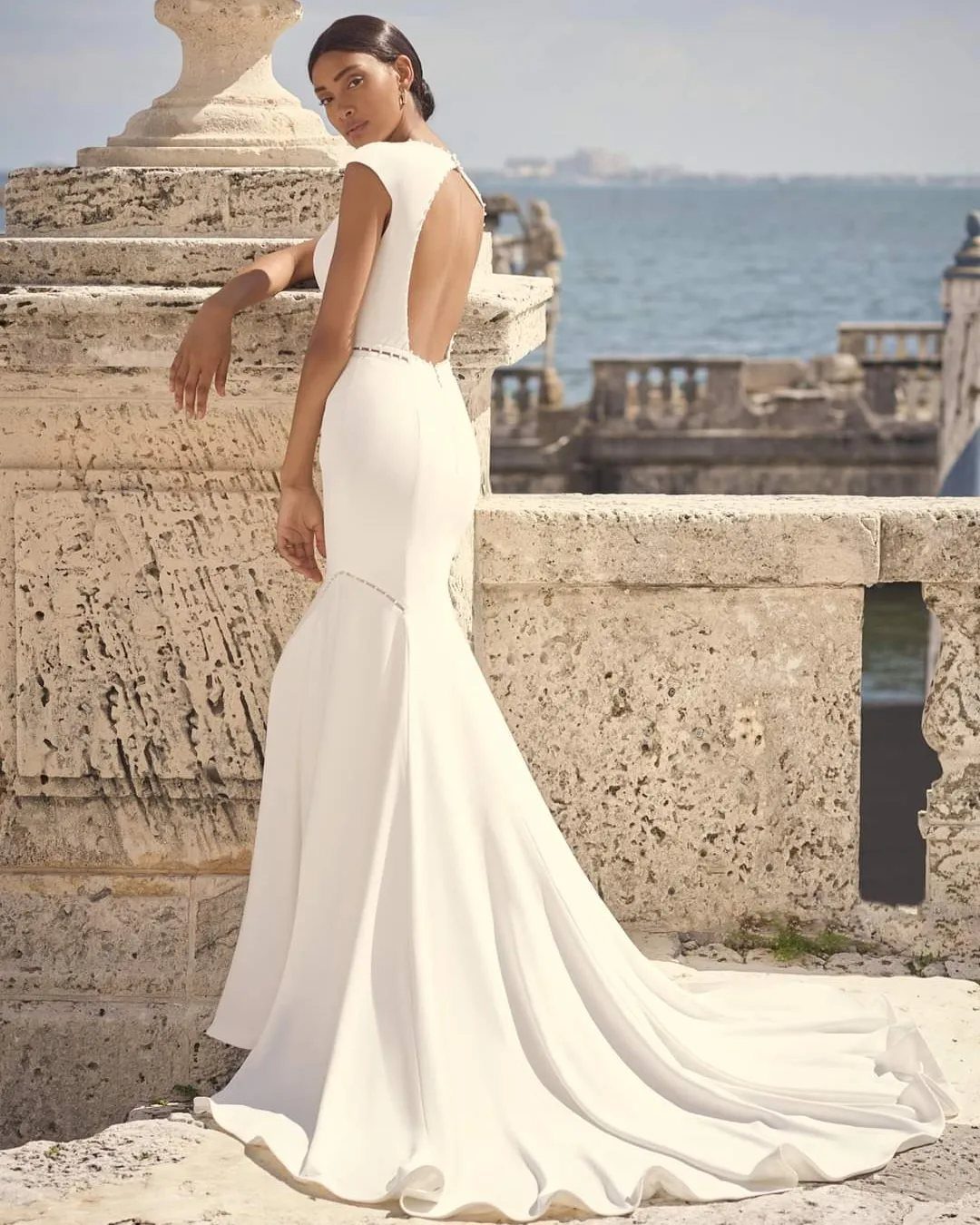
An open back with sheer illusion panels or delicate straps is the starting point most brides picture when they imagine showing skin without going fully backless.
The structured bodice up front keeps the look elegant rather than overtly revealing, which is why this cut works across so many venues and dress codes.
I find it especially practical for spring and summer weddings, where the open area helps you stay cooler under layers of tulle or satin.
Your undergarment choice narrows quickly here. A backless bra, stick-on cups, or a gown with built-in support are the usual paths; test your option through a full dance move, not just standing still.


Charming Princess Design: Elegant puff sleeves, a knee-length skirt, and a flattering fitted bodice create a timeless princess silhouette perfect for special occasions.
7. Low Back
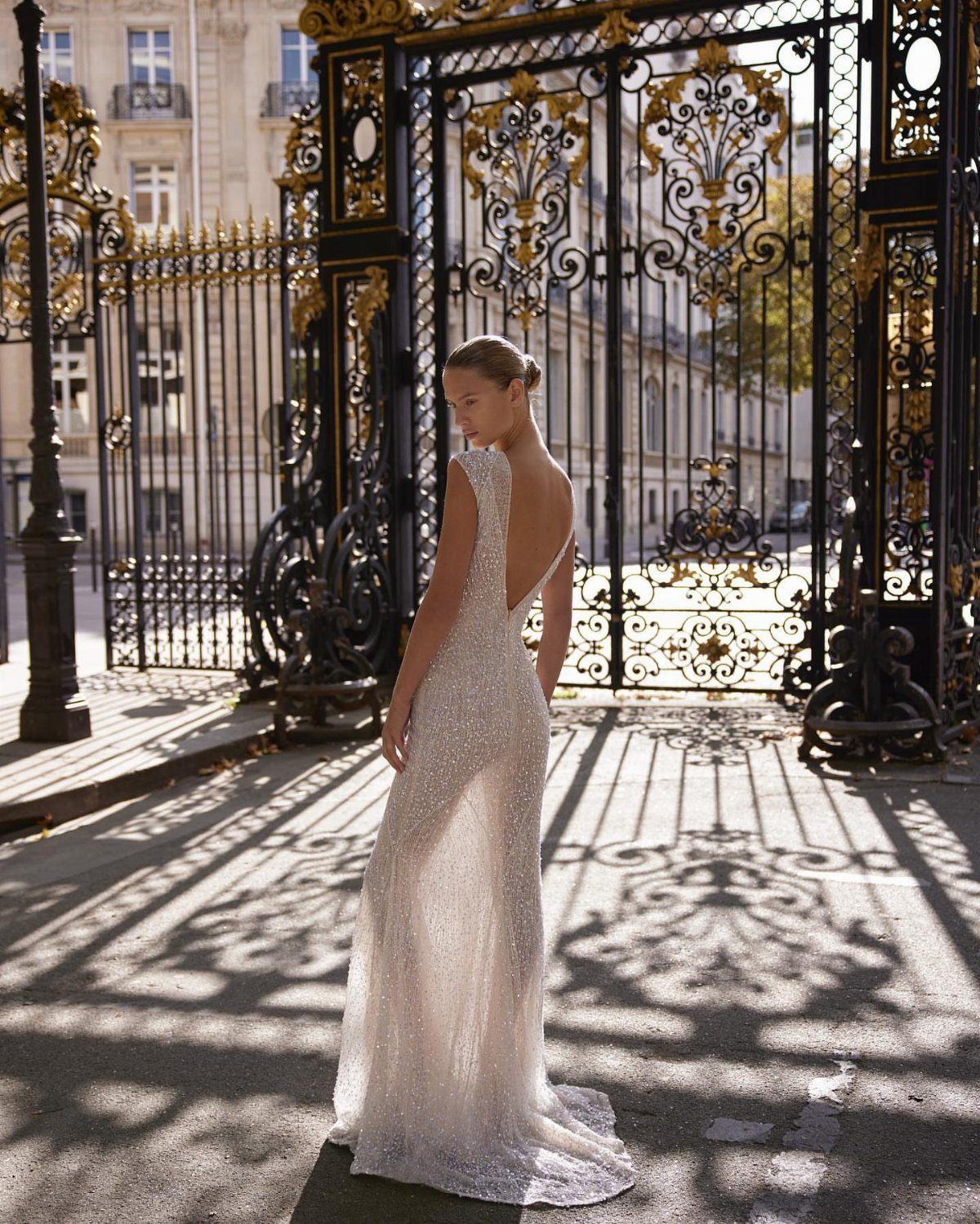
A low back falls to the small of your back or below, which makes it the boldest open cut short of going completely bare.
I would not attempt this without internal support: ask your seamstress about boning or built-in cups before you order, since the cut itself provides no structure.
This back demands confidence. It photographs beautifully from behind, especially during the ceremony when your guests see you before you turn.

Size: [Model's height 5'5", Body Measurements Bust 32.48, Waist 24.6, hips 34.45 inches, wears size XS. Each variation product has a unique size chart. Please follow the size chart in the product photos and choose the size based on your own body measurements before buying. Thank you!


Toddler Girls Birthday Dresses: Toddler baby flower girl dress puff mesh long sleeve fall dress handkerchief tulle pagant wedding dress formal tea party birthday princess gown puffy tulle tutu dress, father daughter dance dress first communion prom baby shower Easter baptism christening dress, elegant embroidered floral mesh dress, stylish and pretty toddler girls tulle dress for 12-24 months infant girls and 3-6 year-old toddler kids girls.
8. Button Back
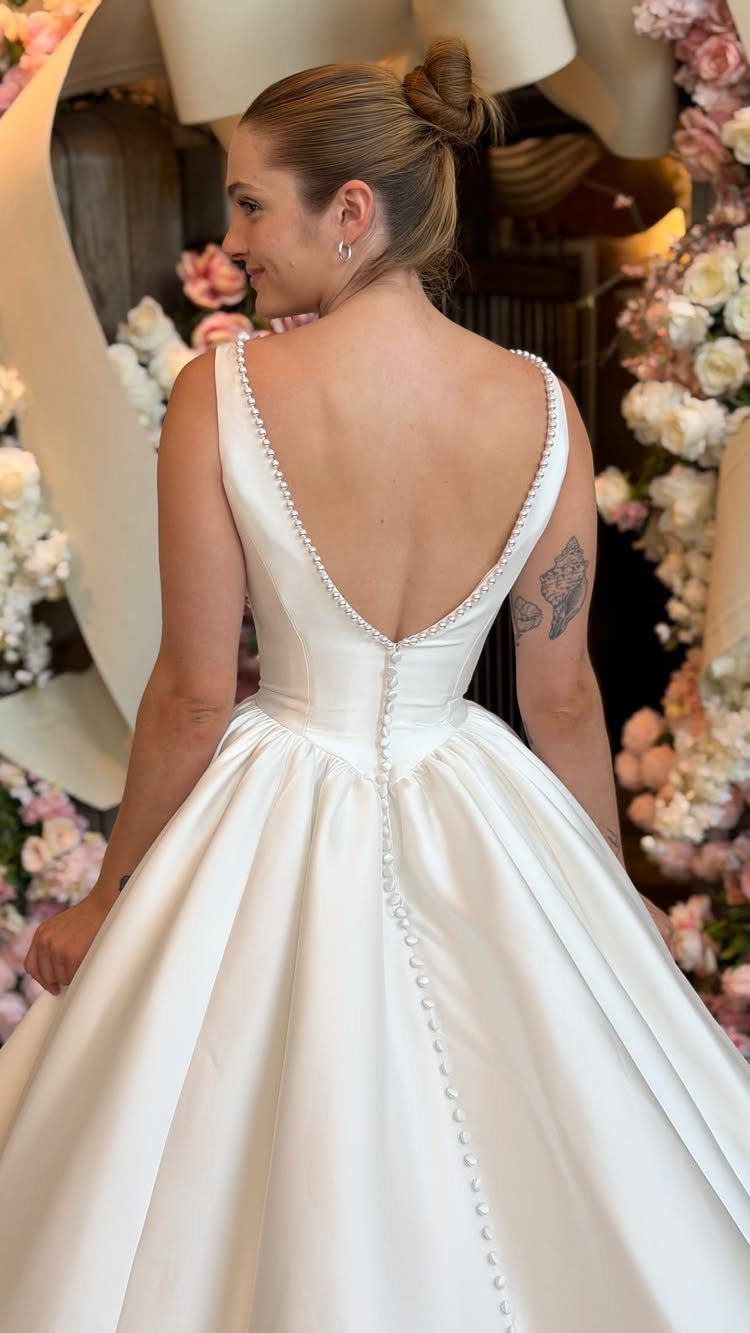
A column of fabric-covered buttons runs down your spine, continuing the eye from neckline to train hem in one straight line.
The buttons may work as the actual closure or simply hide a zipper beneath; either way, the effect reads vintage and deliberate.
I find this back on long-sleeve lace gowns especially, where the buttons extend the same romantic language the lace starts. The look suits brides who want an heirloom feel without borrowing an actual old dress.
If the buttons are functional, plan extra time for dressing. Someone patient will need to fasten each one, and rushing this step risks a popped thread you will not notice until photos.

COMPLETE CORSET KIT ZIPPER REPLACEMENT: This corset back kit includes two pre-looped fabric strips, a matching satin modesty panel, and an extra-long lace. Designed to convert a dress zipper into an adjustable lace up back; sewing is required

Premium Satin Corset Lace – High-quality satin ribbon, smooth and soft, gentle on delicate bridal fabrics, perfect for elegant dress transformations.

Package and Size: You will receive 1 strand of white wedding dress back lace-up, about 0.59 inches (15mm) wide, and 10.9 yards (10m) long.
9. Cowl Back
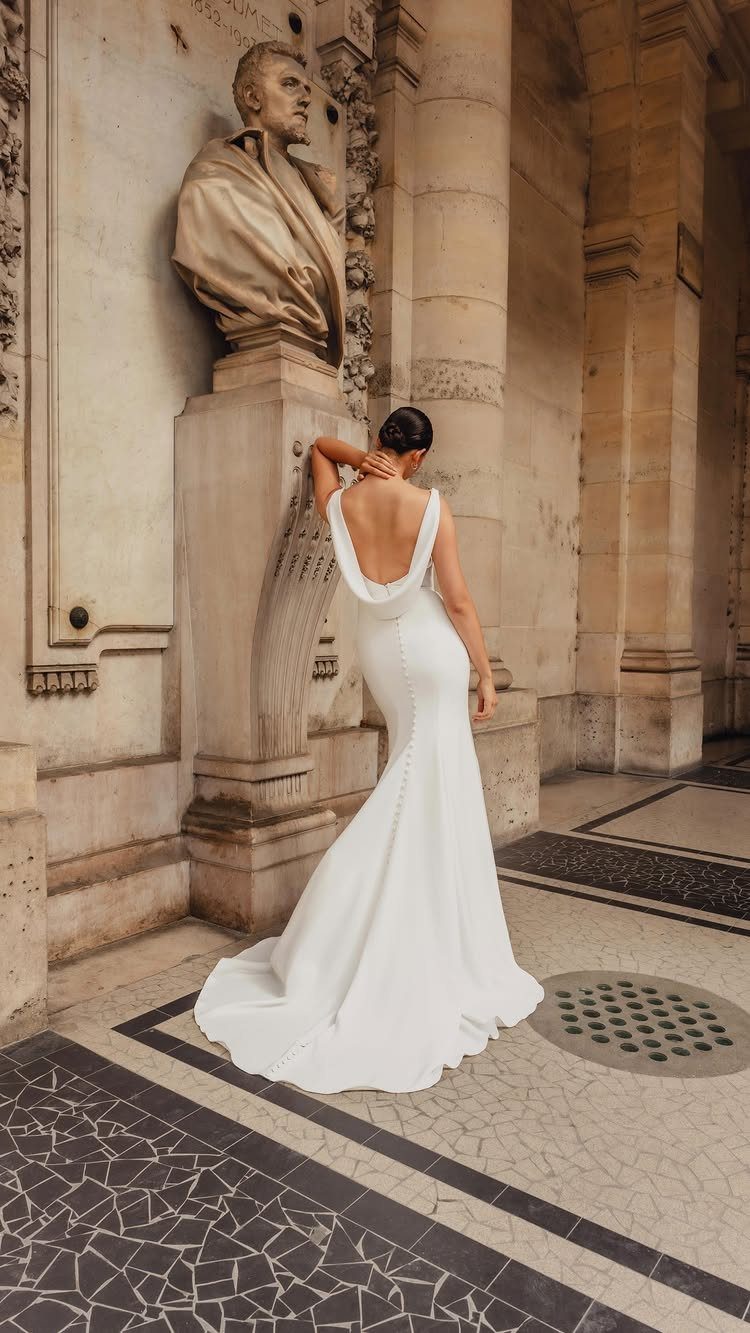
Soft fabric folds drape loosely across your back instead of cutting away skin or fitting tight to your shape.
Nothing pinches or binds, which matters more than you might think during a long reception.
Check the depth before you commit. A deeper cowl moves more as you walk and can shift off-center during your first dance.
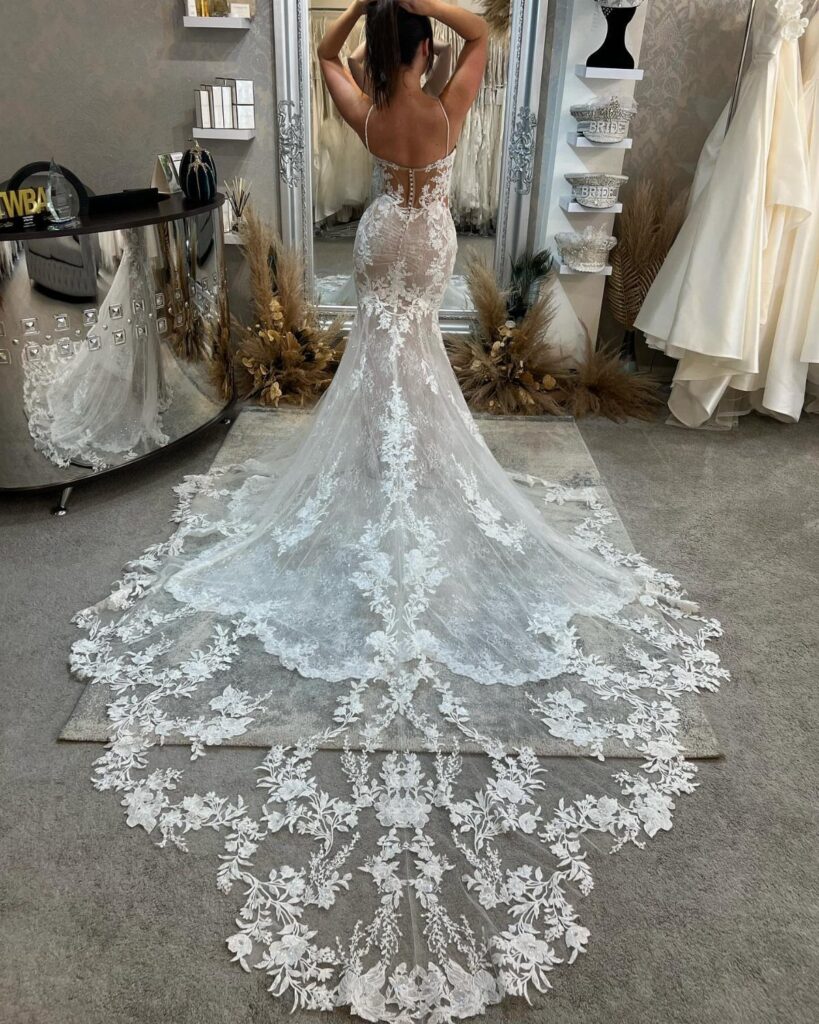
10. Wedding Dress Train
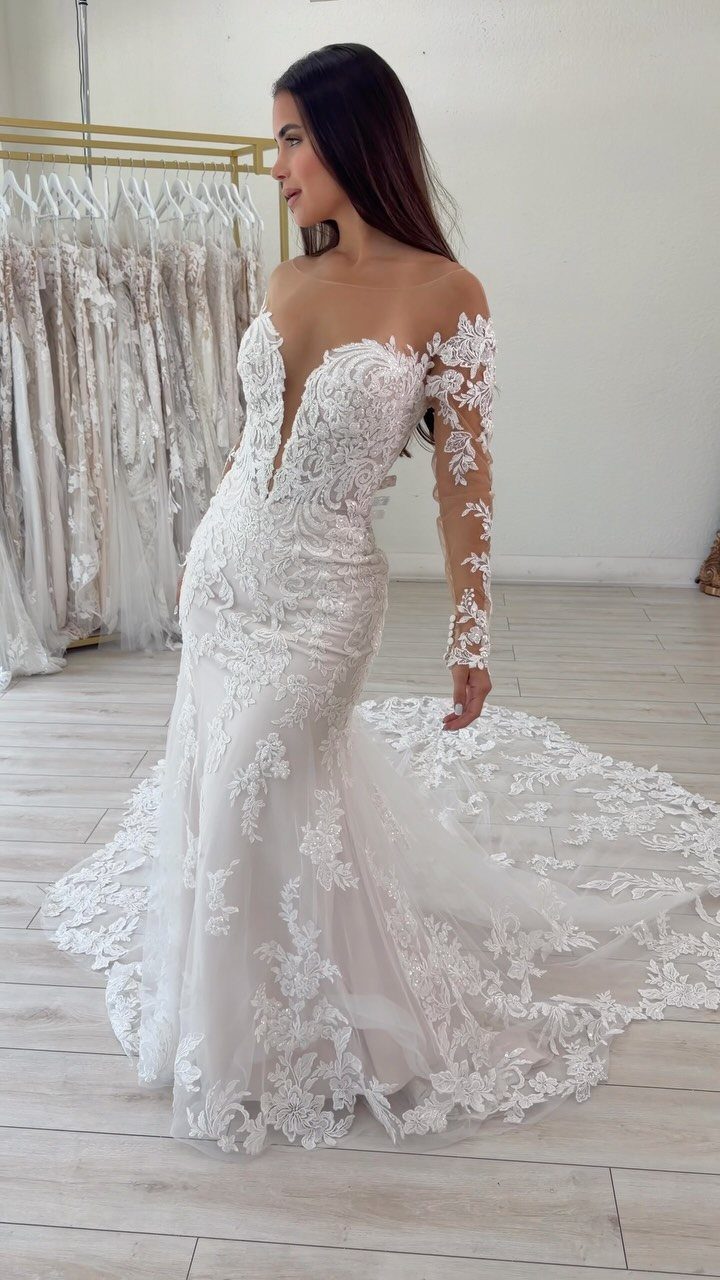
Extra fabric extends from the back of your gown, trailing behind you as you walk and pooling at your feet when you stop.
Chapel length skims the floor just past your hem; cathedral extends further, formal and dramatic; detachable versions button or hook on for the ceremony and remove before the reception.
I consider the detachable train the practical choice if your venue shifts from aisle to dance floor, since dragging fabric through cocktails and cake cutting ends with torn lace and stepped-on edges.
Your bustle matters as much as the train itself.
A poorly pinned bustle drops halfway through your entrance and never recovers; test the lift and secure points at your final fitting, then photograph the finished shape from behind so your helper can replicate it.

Perfect buttons for wedding dress trims, wedding gowns trims and more. Round buttons are covered with premium fabric, have a metal shank back, and 1 large loop for effortless sewing of thread. Buttons available in 2 fantastic colors. This particular button set is the White color.

Perfect buttons for wedding dress trims, wedding gowns trims and more. Round buttons are covered with premium fabric, have a fabric shank back, with 1 large loop for effortless sewing of thread. Buttons available in 2 fantastic colors. This particular button set is the White color.
Importance of Back Details
The aisle walk, the vows, the first kiss from behind: those are the angles your photographer and your family actually see.
That screen time is why I treat the back as its own design problem, not an afterthought to the neckline I fell in love with first.
A stunning front with a plain back reads half-finished in your album, especially during the recessional when you are walking away.
The surprise matters too.
Your guests see the front first, then the turn reveals the rest. That second look is what makes a back detail memorable rather than merely pretty.
Photos rarely show how a back cut moves when you breathe or reach.
If you can try styles in person, watch the fabric shift as you turn. What sits flat on the hanger often behaves differently on a body in motion.
Choosing the Right Style
The vertical cut adds length at the same time, which helps if you are petite. A keyhole back does similar work with less exposure.
A low back or plunge back draws the eye lower, which helps if you want less attention at the waist. The cut itself becomes the statement.
Hourglass shapes have the widest range; a corset back just emphasizes the waist you already have. Rounded lines in a U-back or halter back balance broad shoulders better than straight horizontal ones.
Try the mirror test from behind, not just the front. The shape you see walking away is the one your guests will remember.
Alterations and Fit
Your hair plan and your back choice need to be decided together. An updo or half-up style shows off open backs, illusion panels, and keyhole cuts; hair worn fully down wastes the detail you selected and likely paid extra for.
Skip a standard necklace with any open, plunge, or illusion back. A back necklace, a delicate chain that drapes along the exposed skin, adds ornament without fighting your front neckline.
Built-in support should come up at the first fitting, not when you are out of time. Low backs, halter backs, and cowl backs usually need boning, a corset base, or adhesive cups stitched in; a standard bra will show.
Bring your veil to a later fitting and watch how it falls; a cathedral length can bury a back detail if the comb sits wrong.
Corset backs cinch tighter when you sit to eat; low backs need attention when you bend. Knowing the limits keeps you from a mid-reception adjustment you cannot make.
Seasonal Considerations
Venue and season narrow the field as much as body shape does.
Beach and destination weddings favor halter backs, cowl backs, and open backs for the simple reason that they weigh less and let heat escape. The same cut in a ballroom would look underdressed.
Formal indoor weddings and ballrooms lean toward corset backs and closed backs; a dramatic skirt needs that structure to keep its line. The architecture of the dress matches the architecture of the room.
Garden and outdoor ceremonies suit cross backs and button backs, where the detail feels found rather than forced. The crossed straps especially read right against bare shoulders in natural light.
Winter and evening weddings push toward illusion backs.
Sheer mesh reads as an open back while keeping enough fabric that you are not cold through the vows. The warmth is slight but real, and the coverage means you can wear a more substantial underlayer without it showing.
Frequently Asked Questions
Is the back of a wedding dress called a train?
No. The back itself is described by its cut and closure style, such as V-back, illusion back, corset back, keyhole back, cross back, open back, low back, button back, or cowl back.
A train can attach to any of these back styles.
What are parts of a wedding dress called?
A wedding dress breaks down into distinct parts, each with its own name. The train is that length of fabric trailing behind you.
The bodice is the fitted upper section that shapes the torso. The bustle is the set of hooks or pins that lifts the train off the floor once the ceremony ends and the dancing begins.
What are the different types of wedding dress backs?
Back styles fall into several camps.
A V-back drops to a point. An illusion back uses sheer mesh to suggest skin without fully showing it.
A corset back laces up like an old-fashioned bodice. A keyhole back opens to a small oval.
A cross back straps over in an X. An open back leaves a wide stretch bare. A low back sinks below the shoulder blades.
A button back runs closures down the spine. A cowl back drapes fabric in soft folds.
The train sits apart from these cuts, more a feature than a style category. Each differs in how much skin it shows, how it closes, and what support it needs underneath.
How can I style my wedding dress back?
Wear your hair up or half-up to show the detail; hair down covers what you paid for.
A back necklace, a thin chain that follows the line of exposed skin, can replace a standard necklace when your dress does the showing off.
Ask about built-in support at your first fitting, not last, since low backs and cowl backs need boning or adhesive cups sewn in.
What is the purpose of a train?
A train adds ceremony and visual weight to your entrance, extending the line of your gown as you walk and pooling at your feet when you stop.
Chapel length skims just past your hem for subtle drama; cathedral length extends further for formal impact. A detachable train lets you remove the fabric before the reception so you are not dragging lace through cocktails and dancing.